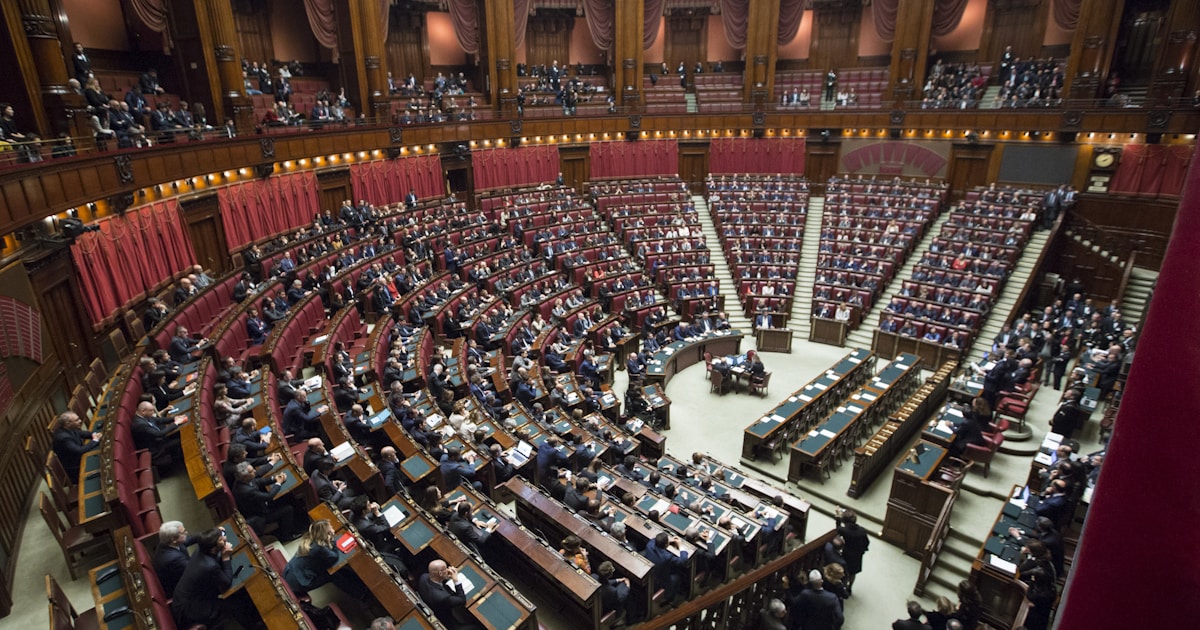
ODM won 99 out of 210 parliamentary seats in 2007 — more than double PNU's 43. The party that was denied the presidency controlled the legislature. It was the most dominant parliamentary performance by any party since KANU's single-party era, and it told a very different story from the disputed presidential result.
The 2007 parliamentary elections are often overshadowed by the presidential controversy. But they deserve analysis in their own right. While the presidential vote was agonisingly close — a 231,728-vote margin — the parliamentary results were a landslide. Raila Odinga's ODM swept the National Assembly with a coalition that spanned five of Kenya's eight provinces.
The "Orange Wave" that began with the 2005 constitutional referendum — when Raila's faction used the orange symbol to campaign for "No" and defeated President Kibaki's draft constitution — culminated in the most comprehensive parliamentary victory in Kenya's multi-party era.
The Final Seat Count
Here is the full breakdown of the 210 parliamentary seats:
- ODM (Orange Democratic Movement): 99 seats (47.1%) — Led by Raila Odinga
- PNU (Party of National Unity): 43 seats (20.5%) — Led by Mwai Kibaki
- ODM-K (ODM-Kenya): 16 seats (7.6%) — Led by Kalonzo Musyoka
- KANU (Kenya African National Union): 14 seats (6.7%) — The former ruling party, led by Uhuru Kenyatta
- SAFINA: 5 seats (2.4%)
- NARC: 4 seats (1.9%)
- NARC-K: 4 seats (1.9%)
- Other parties: 14 seats (6.7%)
- Independents: 11 seats (5.2%)
ODM's 99 seats were not just numerically dominant — they gave the party effective control of the National Assembly. Combined with potential allies from smaller parties, ODM could command over 120 votes, well above the simple majority of 106 needed to pass legislation.
Province by Province: Where ODM Won
ODM's strength was its geographic breadth. Unlike PNU, which was concentrated in Central Province and parts of Eastern, ODM won seats across a wide swath of the country:
Rift Valley Province (49 seats)
This was ODM's biggest prize. The party won 32 of 49 seats in Kenya's largest province. The Kalenjin community, which had historically supported KANU, swung decisively to ODM under the influence of William Ruto, who was then one of Raila's key allies. PNU managed only 5 seats. KANU, once dominant here, held just 7.
Nyanza Province (24 seats)
ODM swept Nyanza almost completely, winning 22 of 24 seats. This was Raila's home province, and the Luo community voted as a near-unanimous bloc for ODM candidates. Only 2 seats went to other parties. PNU won zero seats in Nyanza.
Western Province (24 seats)
ODM won 16 of 24 seats in Western Province. The Luhya community — Kenya's second-largest ethnic group — largely backed ODM, though the vote was more fragmented than in Nyanza. ODM-K and smaller parties picked up the remaining seats.
Coast Province (21 seats)
ODM won 12 of 21 seats at the Coast, tapping into longstanding grievances about land and marginalization that the Coastal communities directed at the Kibaki government. PNU won 5 seats, primarily in urban Mombasa.
Nairobi Province (8 seats)
The capital was competitive. ODM won 5 of 8 seats, reflecting the party's strong support in Nairobi's populous informal settlements like Kibera, Mathare, and Kawangware. PNU won 3 seats in more affluent constituencies.
Eastern Province (36 seats)
Eastern was split. Kibaki's PNU won 15 seats, primarily in the Embu and Meru areas close to Central Province. ODM-K, led by the Kamba community's Kalonzo Musyoka, won 12 seats. ODM picked up 6 seats, while KANU and others took the rest.
Central Province (29 seats)
This was PNU's fortress. The party won 20 of 29 seats. KANU took 5, and smaller PNU-allied parties won the remainder. ODM won zero seats in Central Province — a mirror image of PNU's shutout in Nyanza.
North Eastern Province (11 seats)
The sparsely populated North Eastern went mostly to ODM and KANU, with ODM winning 6 seats and KANU taking 3. PNU managed only 2 seats in the province.
Track Parliamentary Races Alongside Presidential Tallies
In 2007, the presidential and parliamentary results told completely different stories. Votrack lets you monitor both simultaneously across every constituency so you always see the complete picture.
Request a DemoThe 2005 Referendum Connection
ODM's 2007 sweep cannot be understood without the 2005 constitutional referendum. When President Kibaki pushed a draft constitution that many felt concentrated too much power in the presidency, Raila Odinga led the opposition. The "No" campaign used an orange as its symbol (the ballot had an orange for "No" and a banana for "Yes").
The "No" side won with 57% of the vote. The victory proved that a broad anti-Kibaki coalition existed across multiple provinces. Raila converted this referendum coalition directly into a political party — the Orange Democratic Movement. The very name was a tribute to the referendum campaign.
The provinces that voted "No" in 2005 — Rift Valley, Nyanza, Western, Coast, and parts of Eastern — were the same provinces where ODM won parliamentary seats in 2007. The orange wave was two years in the making.
Cabinet Ministers Who Lost Their Seats
One of the most striking features of the 2007 parliamentary elections was the defeat of sitting cabinet ministers. At least 22 cabinet ministers and assistant ministers lost their seats, many to ODM candidates. This was interpreted as a direct rejection of Kibaki's government by voters who used the parliamentary ballot to express their dissatisfaction.
The defeats included several powerful figures from the Kibaki government. Some had served as ministers since 2003 and were considered safe in their constituencies. The orange wave swept them out regardless.
What the Parliamentary Results Mean for the Presidential Dispute
The parliamentary results have always been a key piece of evidence in the argument that Raila actually won the presidential election. The logic is straightforward:
- ODM won 99 seats to PNU's 43. If ODM candidates were winning parliamentary races by large margins across five provinces, it is difficult to explain how the same voters would have chosen Kibaki for president.
- Ticket splitting was minimal in strongholds. In provinces like Nyanza (22 ODM seats, 0 PNU seats) and Central (0 ODM seats, 20 PNU seats), voters voted straight tickets. This pattern suggests presidential and parliamentary preferences were closely aligned.
- Even in competitive provinces, ODM outperformed PNU. In Nairobi, Rift Valley, Coast, and Western, ODM won more parliamentary seats, suggesting broader support for the ODM brand.
This is not conclusive proof — voters can and do split tickets, and parliamentary races are influenced by local factors. But the gap between ODM's 99 seats and PNU's 43 remains one of the most compelling arguments that the presidential tally did not reflect the actual vote.
The Legacy: From 99 Seats to Grand Coalition
ODM's parliamentary dominance gave Raila significant leverage during the post-election crisis negotiations. When the National Accord and Reconciliation Act of February 2008 created the position of Prime Minister, it was ODM's control of Parliament that made the arrangement work. Kibaki needed ODM's votes to govern. Raila needed the executive role to legitimise his claim.
The grand coalition government (2008-2013) was imperfect, but it held. And it created the political space for the constitutional reform process that produced the 2010 Constitution. In a sense, ODM's 99 parliamentary seats did more to change Kenya than any presidential result could have.
For context on how KANU's dominance faded to just 14 seats by 2007, read The KANU Factor: From 39 Years of Power to 8 Seats. And for the broader story of how Kenya's democracy evolved through these elections, see Four Elections, Four Stories.
Every Constituency Tells a Story
From ODM's 99 seats in 2007 to today's 290-constituency system, parliamentary data reveals the true political landscape. Votrack helps you track every constituency race in real time.
Get Started with VotrackWhat This Pattern Means for 2027
Historical election numbers are most useful when they are turned into field actions. For The Orange Wave: How ODM Won 99 Parliamentary Seats in 2007, your campaign can use this history to decide where to invest agents, transport, and voter mobilisation before election day.
- Set target turnout by ward: Use past turnout as your baseline, then assign a realistic uplift target for each ward and polling centre.
- Track strongholds hour by hour: If turnout in your core areas is below plan by midday, deploy rapid mobilisation teams early, not late.
- Protect evidence quality: Keep a clean chain of results forms, incident notes, and station-level logs to support legal review if needed.
For primary reference material, review the IEBC official resources, Kenya Law election jurisprudence, and the IEBC election regulations.
CTA: Votrack gives your team real-time visibility from polling station to county tally, with Web, USSD, and Telegram reporting in one workflow. Book a Votrack demo.
Share this article
Need Real-Time Election Tracking?
Votrack provides secure, parallel vote tallying for every electoral position in Kenya.
Learn More About Votrack