Turkana and Marsabit cover more land than most Kenyan provinces combined, yet they have some of the country's lowest voter densities. In 2022, these pastoralist counties produced fascinating — and very different — results.
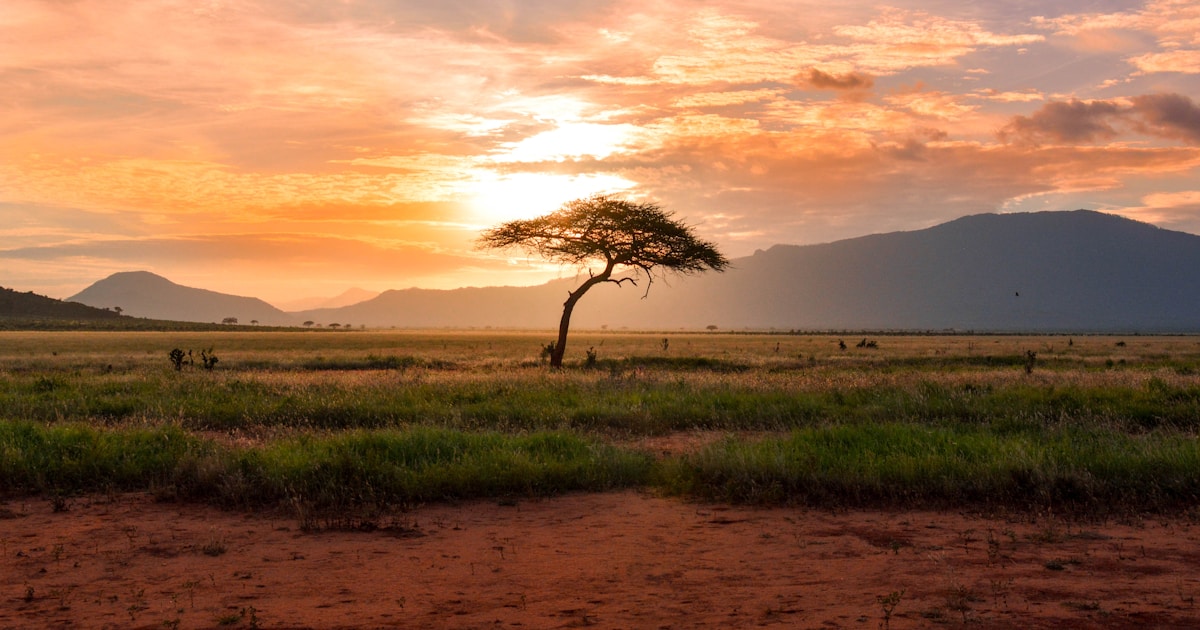
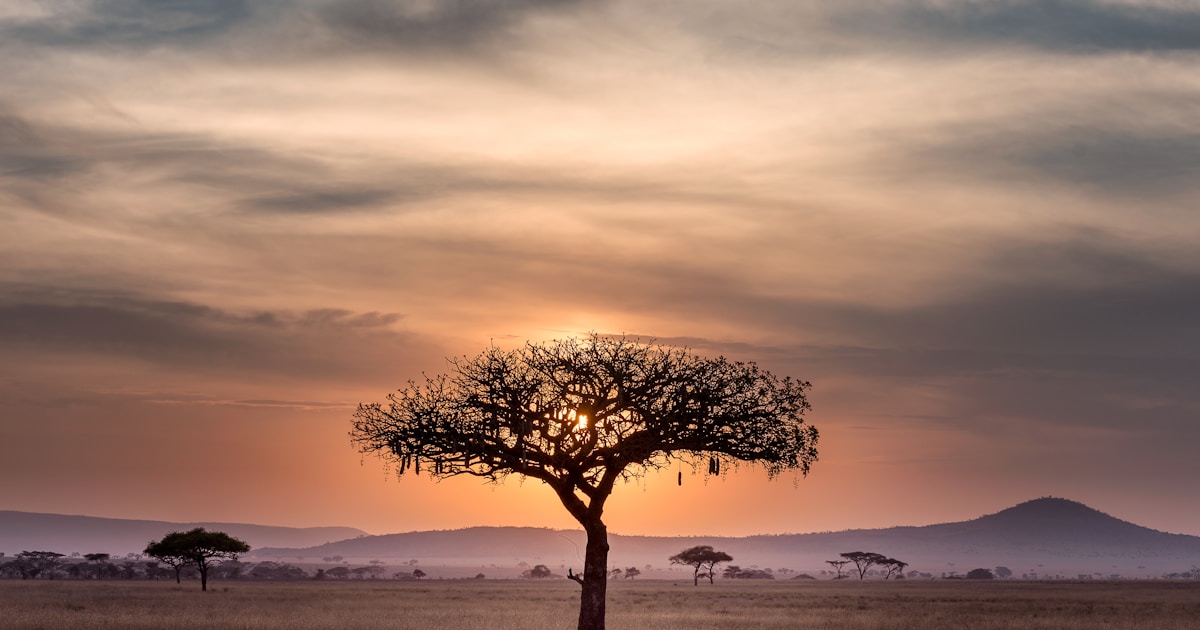
When people talk about Kenyan elections, the conversation usually centres on Mt Kenya, Nyanza, the Rift Valley, and Nairobi. But the vast northern tier — Turkana, Marsabit, Samburu, Isiolo, and Wajir — holds its own electoral story. These are counties where a single polling station might serve an area the size of Nairobi County, where voters walk hours or ride camels to cast ballots, and where turnout numbers are shaped as much by geography as by politics.
In 2022, Turkana County and Marsabit County together cover roughly 100,000 square kilometres — about 17% of Kenya's total land area. But they accounted for just 1.8% of registered voters. The mismatch between territory and political weight is one of the defining features of northern Kenyan democracy.
Turkana: Raila's Northern Outpost
Turkana County gave the late Raila Odinga 58.9% of the presidential vote in 2022, making it his strongest county outside Nyanza, Western, and the Coast. William Ruto received 37.2%, with the remainder split between Wajackoyah and Mwaure.
But the real story in Turkana was turnout. Only 46.2% of registered voters showed up — among the lowest turnout figures nationally. In Turkana North constituency, turnout dipped to 38.7%. The reasons are structural: vast distances between polling stations, nomadic populations that follow livestock rather than electoral calendars, and persistent insecurity along the borders with South Sudan, Ethiopia, and Uganda.
The governor's race was equally interesting. Jeremiah Lomorukai (Azimio) won with 52.3%, defeating incumbent Josphat Nanok (Kenya Kwanza) in a tight contest. Nanok's shift from ODM (where he won in 2017) to Kenya Kwanza was a gamble that didn't pay off — Turkana voters remained firmly in the Azimio column.
Marsabit: The County That Split Down the Middle
Marsabit's presidential results told a different story. Ruto edged Odinga with 51.8% to 46.3% — a margin of roughly 5,500 votes in a county of 147,000 registered voters. This was a dramatic swing from 2017, when Uhuru had carried the county with 61%.
The ethnic arithmetic matters here. Marsabit is home to the Borana, Gabra, Rendille, and Burji communities, each with distinct political alignments. The Borana — the county's largest group — lean towards the opposition, while the Gabra and Rendille communities historically align with the ruling coalition. In 2022, this delicate balance produced a near-even split at the presidential level.
The governor's race was even tighter. Mohamud Ali (UDA) defeated incumbent Mohamed Ali (ODM) by just 4,200 votes. Two governors named Ali, two different parties, two different clans — Marsabit politics in a nutshell.
Why Turnout Is So Low — and Why It Matters
Northern Kenya's low turnout is not about apathy. It's about logistics. Consider the numbers:
- Turkana County has 77,000 square kilometres and just 743 polling stations — one station per 104 sq km. By contrast, Nairobi has one station per 0.14 sq km
- Marsabit County covers 70,000 sq km with 512 polling stations — one per 137 sq km
- Some voters in Turkana North and Marsabit's Laisamis constituency travel 30-50 kilometres to reach the nearest polling station
- Mobile pastoralist populations may be hundreds of kilometres from their registration point on election day
The IEBC has attempted to address this through mobile registration drives and additional polling stations, but the fundamental geography makes universal access nearly impossible. In 2022, both counties saw slight improvements in turnout over 2017, but the gap with national averages remained enormous.
The Senate and County Assembly Picture
At the Senate level, Turkana elected Emilio Lomwa (ODM) with a comfortable margin, while Marsabit sent Mohamed Chute (UDA) to the upper house. The Senate results mirrored the presidential split — Turkana firmly Azimio, Marsabit narrowly Kenya Kwanza.
The MCA races revealed hyper-local dynamics. In Turkana, ODM swept most wards, but independent candidates won in four wards — a high number for a county where party loyalty has historically been strong. In Marsabit, UDA and ODM shared wards roughly evenly, with the split following clan and sub-county lines.
What Pastoralist Voting Patterns Tell Us
There's a misconception that pastoralist communities vote as monolithic ethnic blocs. The 2022 data complicates that narrative. In Turkana, the Turkana people make up over 90% of the population, but the presidential vote still split roughly 59-37 — not the 90%+ margins seen in Nyanza or parts of the Rift Valley. This suggests that even in ethnically homogeneous counties, economic and governance concerns create real political competition.
In Marsabit, the multi-ethnic composition creates genuine swing dynamics. The Borana-Gabra-Rendille balance means that no single community can dominate, and candidates must build cross-clan coalitions. This makes Marsabit one of Kenya's more democratically competitive counties — even if the rest of the country rarely pays attention.
Security and Electoral Violence
Both counties experienced election-related security incidents in 2022, though far fewer than in previous cycles. In Marsabit, the Saku constituency saw tensions between Borana and Gabra communities over the governor's race, with several incidents of property destruction and one shooting. In Turkana, cross-border cattle raids from Pokot and South Sudanese communities disrupted voting in three polling stations in Turkana South.
The Kenya Defence Forces and National Police Service deployed additional personnel, but the vast territory made comprehensive coverage impossible. Election observers noted that in some areas, the mere presence of armed herders near polling stations — a normal occurrence in pastoralist areas — was enough to intimidate voters.
Looking Ahead to 2027
For 2027, these counties will face the same structural challenges. But two factors could change the calculus. First, the IEBC's voter registration drive is targeting northern counties specifically, with mobile registration units tracking pastoralist migration routes. Second, devolution has increased the stakes of county-level elections — governor races now command as much attention as parliamentary ones.
The political alignment question is also open. With Raila Odinga's passing in October 2025, Turkana's Azimio loyalty faces an uncertain future. Will the county follow the ODM party line, or will local dynamics reassert themselves? In Marsabit, the near-even split suggests that whoever campaigns most effectively across clan lines will win.
Northern Kenya may be far from the national spotlight, but its elections reveal how geography, ethnicity, and logistics shape democracy in ways that the rest of the country would do well to understand.
Want to track polling station results across Kenya's most remote counties? Votrack provides real-time tallying even in low-connectivity areas. Request a demo to see how campaign teams manage operations across vast territories.
Share this article
Need Real-Time Election Tracking?
Votrack provides secure, parallel vote tallying for every electoral position in Kenya.
Learn More About Votrack