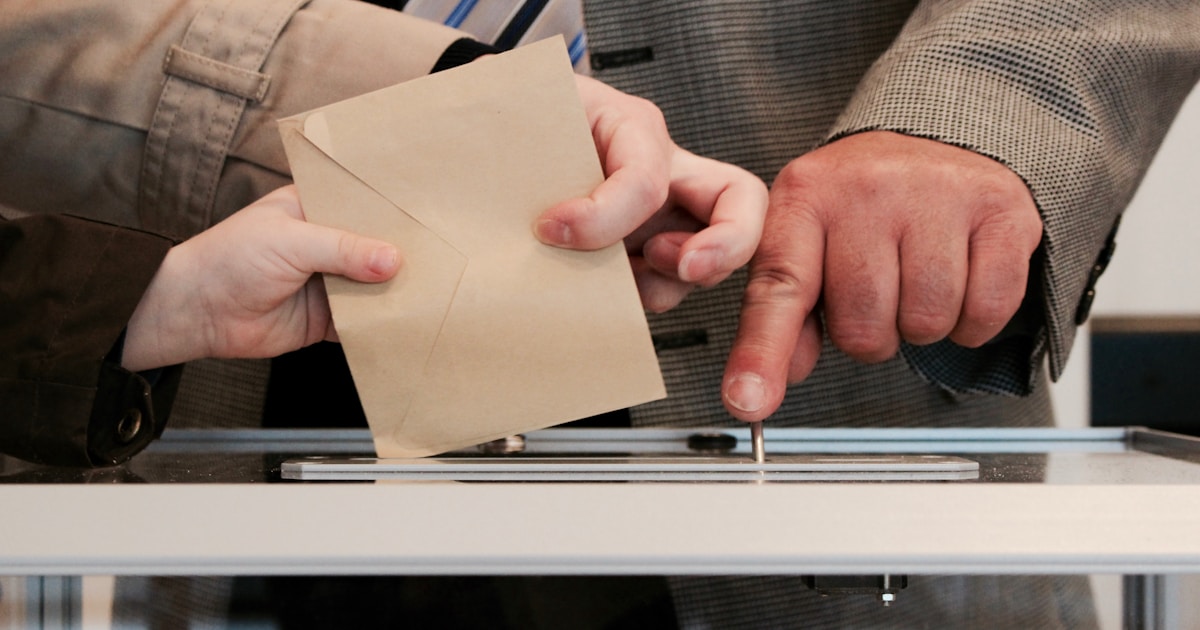
In just three elections, Kenya expanded diaspora voting from 2,637 voters in 6 centres to 10,443 voters across 12 countries on 4 continents. This is the story of how Kenyans abroad gained their voice.
When Kenya held its first election under the 2010 Constitution in 2013, diaspora voting was a modest experiment. Only 2,637 Kenyans in five African countries were registered to vote: Tanzania (921 across Dar es Salaam and Arusha), Uganda (960 in Kampala), Rwanda (654 in Kigali), and Burundi (102 in Bujumbura). It was a start, but it was tiny compared to the estimated 3 million Kenyans living abroad.
By 2017, the number climbed to 4,224 registered diaspora voters. South Africa was added as a new registration centre, contributing 789 voters from Pretoria. Tanzania grew to 1,392 voters across two centres, Uganda to 1,172, and Rwanda to 730. The 60% increase was meaningful but still represented a fraction of the Kenyan diaspora community worldwide.
Then came 2022. The Independent Electoral and Boundaries Commission (IEBC) expanded diaspora voting to 12 countries across 4 continents. The result: 10,443 registered voters, a 147% increase from 2017 and a nearly fourfold increase from 2013.
Where Kenyans Abroad Registered to Vote in 2022
The 2022 diaspora registration data reveals where Kenya's overseas communities are most organized and engaged. The top countries by registered voters were:
- Qatar: 1,437 voters — the largest single country, reflecting Kenya's significant labour migration to the Gulf
- Uganda: 1,411 voters — up from 960 in 2013, a consistent presence throughout all three elections
- Rwanda: 1,090 voters — up from 654 in 2013, benefiting from EAC integration
- South Africa: 958 voters — up from 789 in 2017 when it was first added
- Tanzania: 906 voters — interestingly down from 1,392 in 2017
- United Kingdom: 798 voters — new in 2022, representing the large Kenyan community in the UK
- United Arab Emirates: 745 voters — new in 2022, covering Dubai and Abu Dhabi
- United States: 744 voters — new in 2022, surprising given the estimated 100,000+ Kenyans in the US
Other countries included Germany, Canada, Burundi, and South Sudan, each with smaller numbers. The geographic expansion from Africa-only to four continents was a significant policy shift.
The Growth Trajectory: 2013 to 2022
The growth pattern tells a story of gradual institutional expansion. In 2013, diaspora voting was an afterthought — 2,637 voters from a total register of 14.4 million represented just 0.018% of all registered voters. By 2022, 10,443 out of 22.1 million was still only 0.047%, but the infrastructure for future growth was now in place.
The Elections Act provides the legal framework for diaspora voting, though implementation has been incremental. Each election cycle has added new countries, and the 2022 expansion to 12 nations suggests that 2027 could see 15-20 countries participating.
The Gender Split in Diaspora Voting
The 2022 diaspora data reveals a significant gender gap. Of the 10,443 registered diaspora voters, 6,697 were male (64.1%) and 3,746 were female (35.9%). This gap is much wider than the national average, where women comprised 49.13% of registered voters. The male-heavy diaspora registration likely reflects migration patterns, with more Kenyan men working abroad in Gulf countries and other destinations.
In countries like Qatar and the UAE, where labour migration is heavily male-dominated, the gender gap was likely even more pronounced. In contrast, the UK and US, where Kenyan communities include more families, likely had more balanced registration.
What the Numbers Do Not Show
Registration is only part of the story. The actual turnout among diaspora voters has been a challenge. Logistical difficulties — long distances to embassies, time zone differences during results transmission, and limited polling locations (often just one per country) — suppress participation. Many Kenyans register with enthusiasm but find it difficult to vote on election day.
There is also the question of the missing millions. The Standard has reported that an estimated 3-4 million Kenyans live abroad. Even at 10,443, the diaspora register captures less than 0.5% of this population. Countries with large Kenyan communities like Australia, India, and China have no registration centres at all.
The cost factor is significant too. Setting up polling infrastructure in each country requires coordination with host-country governments, IEBC staff deployment, and ballot logistics. Each additional country adds substantial operational cost relative to the small number of voters served.
Comparing Kenya with Other African Nations
Kenya's diaspora voting programme, while growing, lags behind some peers. Ghana has allowed diaspora voting since 2006. South Africa permits overseas citizens to vote at any mission abroad. Nigeria, after years of debate, began its own diaspora voting pilot in 2023.
The key difference is scale. Kenya's 10,443 diaspora voters are a rounding error in a 22-million-voter election. But the principle matters enormously. Every election cycle that expands access builds the institutional capacity and political expectation for broader inclusion.
Looking Ahead to 2027
If the expansion trend continues, 2027 could see diaspora registration reach 20,000-25,000 voters across 15-20 countries. The addition of Australia, India, China, and more European nations would capture communities currently excluded. Digital registration and potentially electronic voting could also transform the diaspora experience.
The political calculus is not lost on parties either. With presidential races decided by margins of 200,000-300,000 votes, 25,000 diaspora voters in a tightly contested election could matter. The Kenyan communities in the US, UK, and Gulf states tend to be politically engaged and financially connected to campaigns through fundraising.
Key Takeaways
- Diaspora voting grew from 2,637 (2013) to 4,224 (2017) to 10,443 (2022) — a nearly fourfold increase
- 2022 expanded to 12 countries on 4 continents — up from 5 African countries in 2013
- Qatar led with 1,437 voters — reflecting Gulf labour migration patterns
- Gender gap is stark: 64.1% male vs 35.9% female among diaspora voters
- Still only 0.047% of total registered voters — millions of Kenyans abroad remain unregistered
For more on voter demographics, see: Where Kenya Added 8 Million Voters in 9 Years. For cross-election patterns, read: Four Elections, Four Stories.
Every voter counts — even those abroad. Votrack provides unified election monitoring from Nairobi to the diaspora. Track results from all 12 diaspora countries alongside every domestic polling station. Request a demo and see the complete picture.
Share this article
Need Real-Time Election Tracking?
Votrack provides secure, parallel vote tallying for every electoral position in Kenya.
Learn More About Votrack