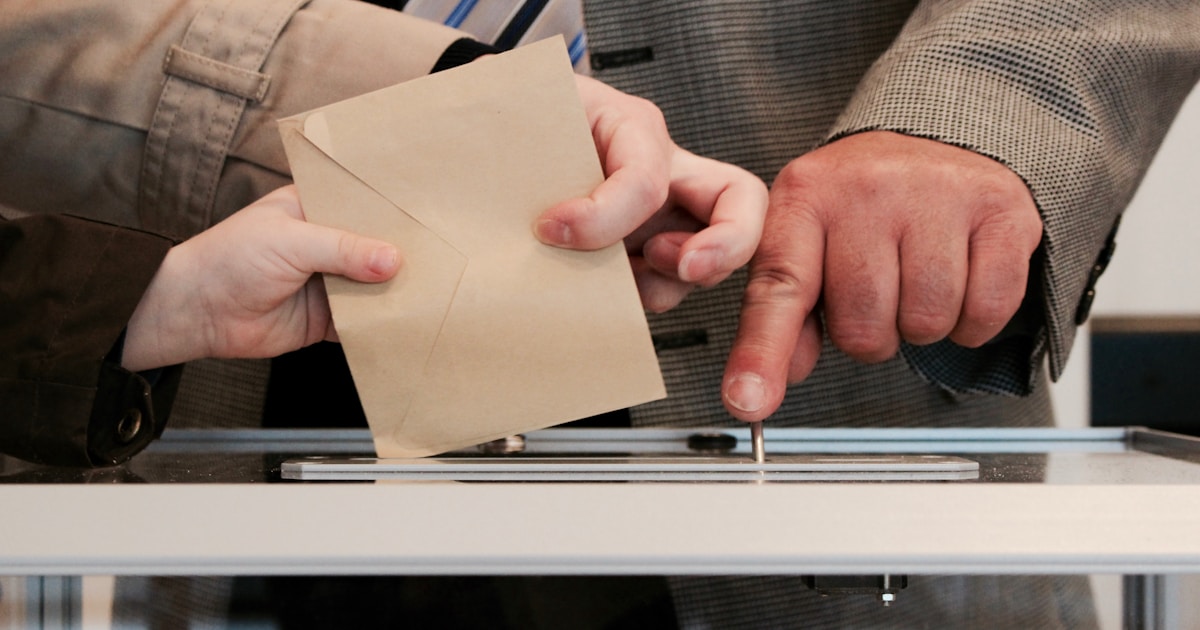
Nairobi is Kenya’s biggest electoral prize. With 2,416,551 registered voters in 2022, it had more voters than 40 of the other 46 counties. But here’s the thing: only 55.96% of those voters actually showed up. That means 1,064,315 Nairobians were registered but didn’t vote. That’s more than the entire registered population of Nakuru, Kenya’s third-largest county.
For context, the national presidential margin was just 233,211 votes. Nairobi alone left a million votes on the table.
The 2022 Presidential Result in Nairobi
Raila Odinga won Nairobi decisively in 2022. Here’s how the numbers looked:
- Raila Odinga (Azimio): 767,395 votes (57.30%)
- William Ruto (UDA): 561,775 votes (41.94%)
- George Wajackoyah (Roots): 5,807 votes (0.43%)
- David Mwaure (Agano): 4,390 votes (0.33%)
- Total valid votes: 1,339,367
- Rejected ballots: 12,869
- Registered voters: 2,416,551
- Turnout: 55.96%
Odinga’s margin was 205,620 votes — a gap of 15.35 percentage points. That’s comfortable but not overwhelming. And it could have been much larger if more of his supporters had turned out.
Compare this to 2017. In August 2017, Nairobi was much closer: Odinga won 828,826 votes to Kenyatta’s 791,291 — a margin of just 37,535. Between 2017 and 2022, the gap widened from 2.3% to 15.35%. But at the same time, total votes cast dropped dramatically. In 2017, 1,629,894 valid votes were cast in Nairobi. In 2022, it was just 1,339,367 — a drop of 290,527 votes despite Nairobi having 165,000 more registered voters.
So Odinga won by a bigger margin in 2022, but fewer people voted. That’s the Nairobi paradox.
The Registration and Turnout Story: 2013 to 2022
Nairobi’s voter registration has grown steadily, but turnout has moved in the opposite direction. Here’s the trend:
The numbers tell a clear story:
- 2013: Approximately 1.8 million registered, ~69% turnout
- 2017: 2,251,929 registered, ~72.6% turnout (1,636,778 ballots cast)
- 2022: 2,416,551 registered, 55.96% turnout (1,352,236 ballots cast)
Nairobi added about 165,000 voters to the register between 2017 and 2022, but 284,542 fewer people actually voted. The turnout drop of nearly 17 percentage points was one of the steepest in the country.
Why? Several factors likely contributed. The IEBC’s Post-Election Evaluation Report noted that urban polling stations faced overcrowding and long queues, which discourages voters. Nairobi’s polling stations serve a maximum of 700 voters each, but the pressure of high-density registration in urban areas means many stations were at capacity.
There’s also the question of voter apathy. Nairobi is a city of transplants — many residents are registered in their home counties but live in Nairobi, or are registered in Nairobi but don’t feel strongly enough to queue for hours on a workday. The IEBC recorded 3,199,993 voter transfer requests nationwide in 2022, suggesting significant mobility in the electorate.
12,869 Rejected Ballots: The Highest in Kenya
Nairobi had 12,869 rejected ballots in the 2022 presidential election — the highest raw number of any county. That’s 0.95% of all ballots cast in Nairobi. To put it in perspective, those 12,869 rejected votes are more than the total valid votes cast in Lamu County’s presidential race.
What causes a ballot to be rejected? The most common reasons are:
- Voting for more than one candidate
- Making marks that don’t clearly indicate a choice
- Writing names or identifiers on the ballot
- Using a ballot that lacks the official stamp
Nairobi’s high rejection rate likely reflects its diverse, multilingual electorate and the challenges of first-time voters navigating a ballot with six separate races (President, Governor, Senator, Woman Rep, MP, MCA). According to the Daily Nation’s election coverage, voter education outreach struggled to reach all of Nairobi’s sprawling informal settlements.
For comparison, the national total of rejected presidential ballots was 113,614. Nairobi alone accounted for 11.3% of all rejected ballots nationwide, despite having only 10.9% of registered voters.
Nairobi vs the Rest: Size and Influence
With 2.42 million registered voters, Nairobi’s electorate is larger than the combined registration of the bottom 10 counties (Lamu, Isiolo, Samburu, Tana River, Marsabit, Taita Taveta, Elgeyo/Marakwet, Mandera, West Pokot, and Turkana combined have roughly 1.96 million registered voters).
But Nairobi’s influence is constrained by its turnout problem. Here’s the math:
- Nairobi’s valid votes (1,339,367) were only slightly more than Kiambu’s (825,191), despite having nearly twice the registration
- If Nairobi had matched Bomet’s turnout (79.88%), it would have produced roughly 1,930,000 votes instead of 1,352,000 — an additional 578,000 ballots
- Those 578,000 hypothetical votes, split at Nairobi’s actual 57/42 ratio, would have given Odinga an extra ~87,000-vote advantage nationally
That wouldn’t have been enough to close the 233,211-vote gap on its own. But combined with improved turnout in Mombasa (43.76%), Kilifi (49.03%), and other Odinga-leaning low-turnout counties, the arithmetic changes dramatically.
This is why turnout is the single most important variable in Kenyan elections. For a deeper look at the national turnout crisis, read our analysis of 2022’s historic low turnout.
What Nairobi Tells Us About 2027
Nairobi is not a monolith. It’s a collection of diverse constituencies, each with its own demographic profile. Langata, Westlands, and Dagoretti vote differently from Embakasi, Kasarani, and Mathare. The candidate who can drive turnout in specific Nairobi constituencies — not just win them, but actually get people to the polls — holds a massive advantage.
The numbers suggest three key lessons:
- Winning Nairobi is not enough — you need turnout. Odinga won Nairobi by 15 points but his total vote dropped because turnout collapsed.
- Rejected ballots are a real issue. 12,869 rejected ballots is 1% of votes cast. Better voter education in informal settlements could recover thousands of valid votes.
- The million missing voters are the real prize. 1,064,315 registered Nairobians who didn’t vote. The party that mobilises even 10% of them shifts the national result.
For more on how the overall presidential race played out, see our full analysis: Ruto vs Odinga — The Closest Race Since 2013. And for the national rejected ballots picture, the Standard Digital’s election data hub has detailed constituency breakdowns.
Track Nairobi’s 2,800+ polling stations in real time. Votrack’s parallel tallying system monitors every station, flags rejected ballot anomalies, and gives you constituency-level dashboards as results come in. Nairobi is too big and too important to track manually. Request a demo and see why smart campaigns run on data.
Share this article
Need Real-Time Election Tracking?
Votrack provides secure, parallel vote tallying for every electoral position in Kenya.
Learn More About Votrack