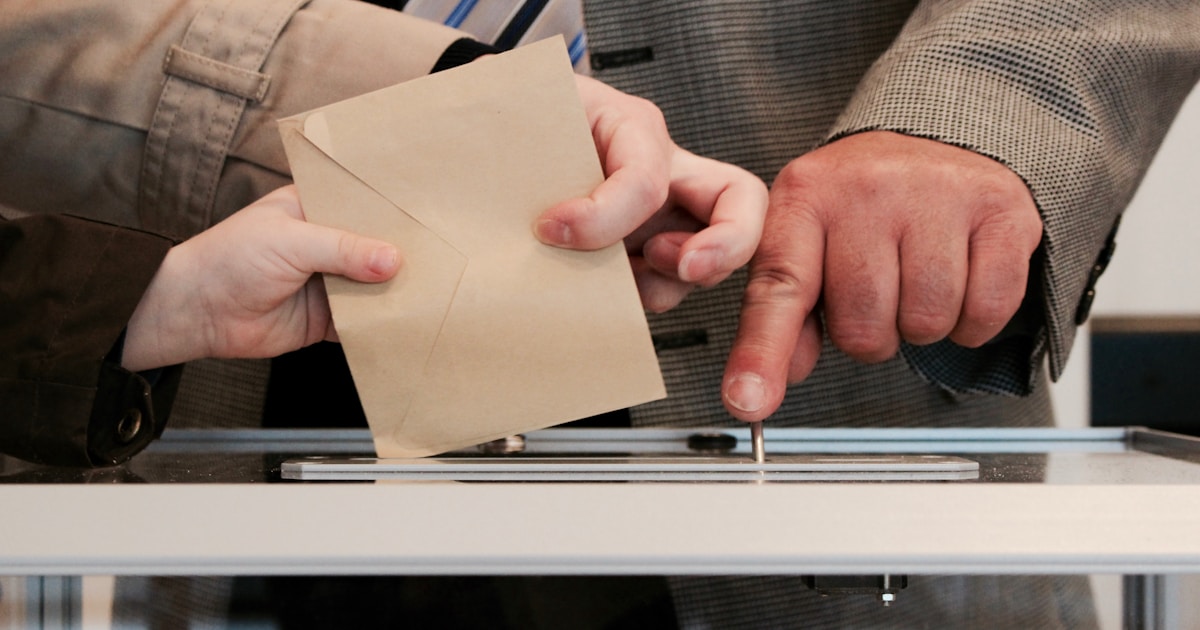
Kenya's 2022 general election was the largest democratic exercise in the country's history. On August 9, 22,120,458 registered voters were eligible to choose from 16,098 candidates competing for 1,882 seats across six ballot levels. Every voter received up to six ballot papers. The logistics alone — deploying 300,000 staff to 46,229 polling stations with 48 million ballot papers — were staggering.
Here is the complete statistical portrait of that exercise.
Registration and Turnout
- Registered voters: 22,120,458
- Votes cast (presidential): 14,213,137
- National turnout: 64.77%
- Valid presidential votes: 14,099,523
- Rejected presidential ballots: 113,614 (0.80%)
- Highest county turnout: Bomet (79.88%)
- Lowest county turnout: Siaya (49.67%)
The Presidential Race
- Candidates: 4
- William Ruto (UDA): 7,176,141 (50.49%)
- Raila Odinga (Azimio): 6,942,930 (48.85%)
- George Wajackoyah (Roots): 61,969 (0.44%)
- David Mwaure (Agano): 31,987 (0.23%)
- Margin: 233,211 votes (1.63 percentage points)
This was the closest presidential race since 2013, when Kenyatta beat Odinga by 800,000 votes (6.8 points). The 1.63-point margin was the second-narrowest in Kenya's multiparty history.
Governor Races (47 Seats)
- Candidates: 412 (avg. 8.8 per county)
- UDA governors elected: 23
- ODM governors elected: 7
- Other Azimio parties: 10
- Other parties/independents: 7
- Women governors elected: 7 (Kirinyaga, Machakos, Kwale, Meru, Nakuru, Embu, Homa Bay)
- Closest race: Tana River (margin ~2,500 votes)
- Widest margin: Mandera (winner at 74.3%)
- Incumbent re-election rate: ~50%
Senate Races (47 Seats)
- Candidates: 348 (avg. 7.4 per county)
- UDA senators elected: 23
- ODM senators elected: 8
- Other parties: 16
- Women elected (constituency): 3
- Incumbent re-election rate: ~40%
Women Representative Races (47 Seats)
- Candidates: 267 (avg. 5.7 per county)
- This is the only position reserved exclusively for women candidates
- Average votes per winner: ~95,000
- Highest vote: Nairobi Woman Rep with ~430,000 votes
National Assembly / MP Races (290 Seats)
- Candidates: 2,854 (avg. 9.8 per constituency)
- UDA MPs elected: 138
- ODM MPs elected: 82
- Other parties: 70
- Independent MPs: 0 (all won on party tickets)
- Women elected (constituency): 28 (9.7%)
- Incumbent re-election rate: ~30%
- Average constituency size: 76,278 registered voters
- Largest constituency: Embakasi East (135,000+ registered voters)
- Smallest constituency: Lamu West (~22,000 registered voters)
MCA / Ward Representative Races (1,450 Seats)
- Candidates: 12,217 (avg. 8.4 per ward)
- This was the most contested level: 12,217 candidates for 1,450 seats
- Incumbent re-election rate: ~20% (see our MCA analysis)
- Average ward size: 15,255 registered voters
- Women elected: ~96 (6.6%)
Logistics: The Scale of the Operation
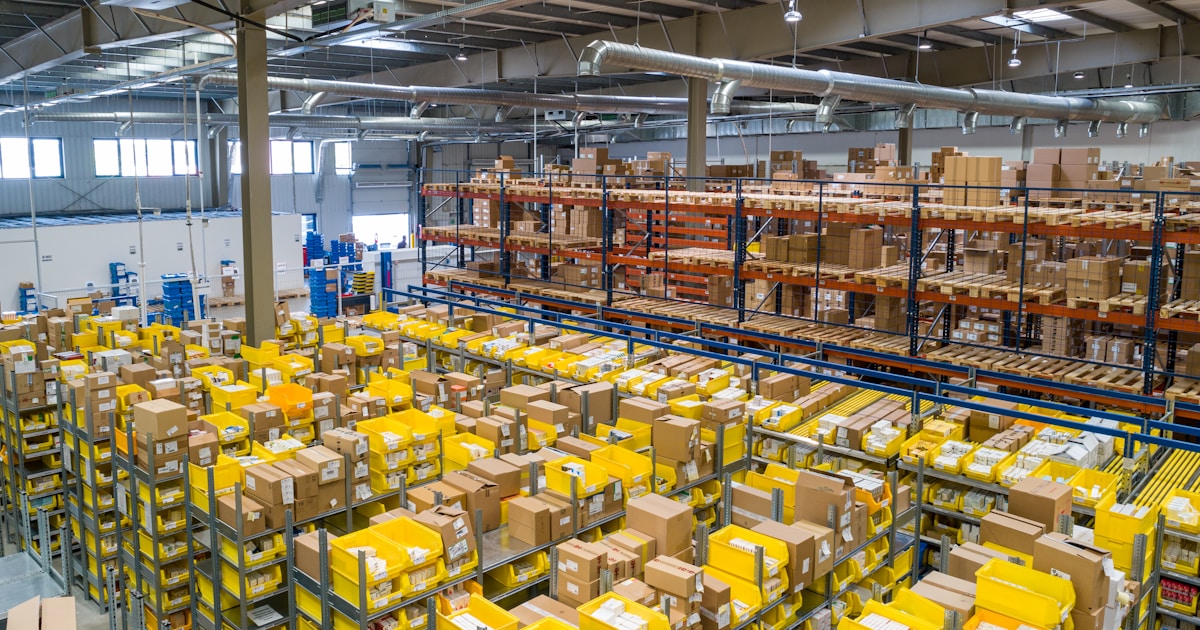
Running an election across 580,367 square kilometres with 22 million voters requires industrial-scale logistics:
- Polling stations: 46,229
- Polling streams: ~55,000 (some stations have multiple streams)
- IEBC staff deployed: ~300,000 (presiding officers, clerks, BVR operators)
- Ballot papers printed: ~48 million (6 races × ~8 million average per race)
- KIEMS kits deployed: 55,000+
- Security personnel deployed: ~150,000 (police, KDF, NIS)
- Election observers: ~10,000 (domestic and international)
- Estimated election cost: KES 40.9 billion (~USD 340 million)
Financial Overview
The 2022 election cost approximately KES 40.9 billion (USD 340 million), making it one of the most expensive per-voter elections in Africa. Key cost components:
- Technology (KIEMS kits, servers, results transmission): ~KES 8 billion
- Staff and logistics: ~KES 15 billion
- Ballot papers and materials: ~KES 5 billion
- Security coordination: ~KES 3 billion
- Administrative and overhead: ~KES 10 billion
Per registered voter, the election cost approximately KES 1,850 (USD 15.40). Per actual voter (those who turned out), the cost was KES 2,878 (USD 24.00). By comparison, Ghana's 2020 election cost approximately USD 6.50 per voter, and Nigeria's 2023 election cost approximately USD 4.80.
Disputed Results and Petitions
After the election, the Judiciary received:
- 1 presidential petition (dismissed by Supreme Court)
- 11 governor petitions (most dismissed, 2 upheld leading to by-elections)
- ~50 MP petitions (most dismissed)
- ~200+ MCA petitions (varying outcomes)
The total number of election petitions was lower than 2017, suggesting either improved voter acceptance of results or petition fatigue. The Supreme Court's unanimous dismissal of the presidential petition was a turning point — establishing that Kenya's top court would scrutinise IEBC's process but not overturn results absent clear, quantifiable irregularities affecting the outcome.
The Big Picture
Kenya's 2022 election, for all its drama, was a functioning democratic exercise. 14.2 million people cast ballots. 1,882 positions were filled. Power transferred from Jubilee to Kenya Kwanza. The courts functioned. No large-scale violence occurred.
But the cracks were visible: low turnout (35% of registered voters stayed home), an IEBC split, and persistent questions about the accuracy and transparency of results aggregation. These are the challenges that 2027 must address.
1,882 seats. 16,098 candidates. 46,229 polling stations. Votrack is built to handle this scale. Whether you're tracking the presidency or a single ward, the data is there — in real time. Book your demo today.
Share this article
Need Real-Time Election Tracking?
Votrack provides secure, parallel vote tallying for every electoral position in Kenya.
Learn More About Votrack