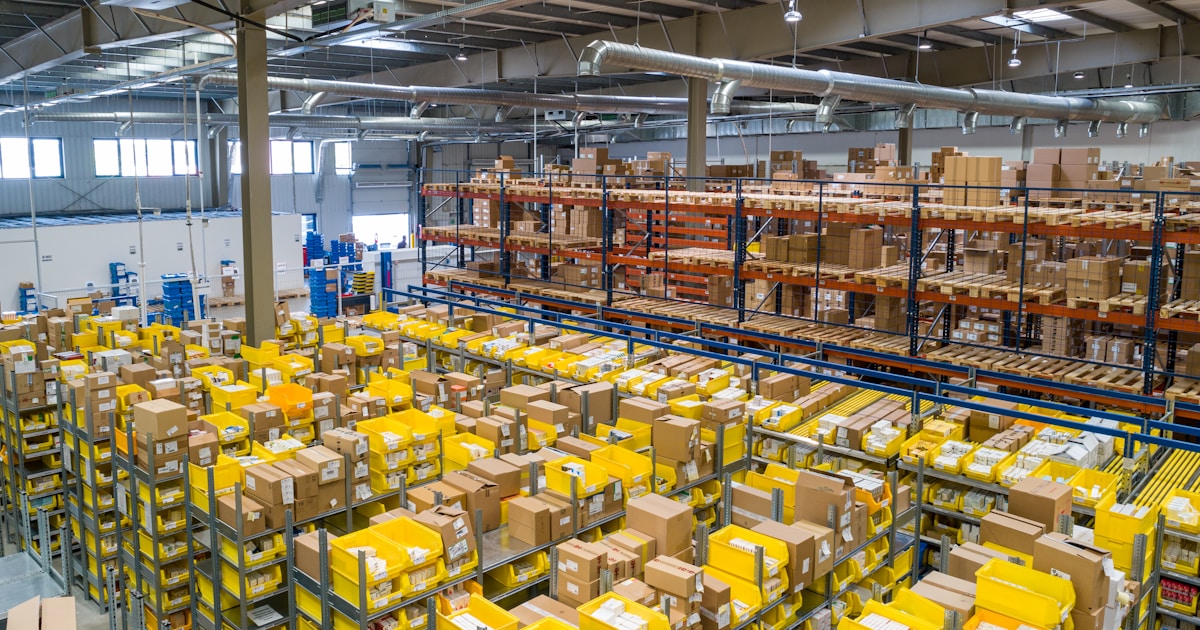
Running an election across 580,367 square kilometres — from Turkana's deserts to Lamu's islands, from the shores of Lake Victoria to the summit approaches of Mt. Kenya — requires a logistics operation rivalling a military deployment. In 2022, Kenya mobilised 300,000 election staff, printed 48 million ballot papers, deployed 55,000 KIEMS biometric kits, and coordinated 150,000 security personnel to service 46,229 polling stations. All in one day.
This is the story of how it was done — and where it went wrong.
The Numbers: Scale of the Operation
The IEBC's logistics operation for August 9, 2022, was the largest peacetime mobilisation in Kenyan history:
- Polling stations: 46,229 (up from 40,883 in 2017)
- Polling streams: ~55,000 (stations with more than 700 voters were split into streams)
- Presiding officers: ~46,229 (one per station)
- Deputy presiding officers: ~46,229
- Clerks: ~110,000 (2-3 per station)
- Other election staff: ~97,000 (county returning officers, constituency tallying staff, technology support)
- Security forces: ~150,000 (Kenya Police Service, Administration Police, KDF reserves)
- Election observers: ~10,000 (domestic and international)
Ballot Paper Production
Printing 48 million ballot papers for six races is a precision operation. Each voter receives up to six ballot papers: President, Governor, Senator, Woman Representative, Member of National Assembly, and MCA. Each ballot paper is unique to its constituency or ward level.
The ballot papers were printed by a consortium including IEBC-contracted international printers in the UK and locally. Key specifications:
- Presidential ballots: ~22.5 million (uniform nationwide, plus 5% contingency)
- Governor ballots: ~22.5 million (47 county-specific versions)
- Senator ballots: ~22.5 million (47 versions)
- Woman Rep ballots: ~22.5 million (47 versions)
- MP ballots: ~22.5 million (290 constituency-specific versions)
- MCA ballots: ~22.5 million (1,450 ward-specific versions)
Total: approximately 135 million individual ballot papers (including contingency stock). Each ballot included security features: watermarks, serial numbers, colour coding, and the IEBC stamp applied at each station on election day.
KIEMS Technology Deployment
The Kenya Integrated Election Management System (KIEMS) was the backbone of voter identification and results transmission. Each polling station received a KIEMS kit containing:
- A biometric tablet for fingerprint and facial recognition of voters
- Connectivity modules (3G/4G SIM cards from at least two providers)
- Camera for scanning Form 34A/B results
- Battery backup capable of 12+ hours of operation
- Pre-loaded voter register for that specific station
The 55,000 KIEMS kits cost approximately KES 8 billion (~USD 67 million). IEBC reported that on election day, 98.2% of kits functioned properly. The 1.8% failure rate — affecting roughly 990 stations — required manual backup procedures using printed voter registers.
The Distribution Challenge
Getting materials to 46,229 locations across Kenya is the single most complex logistics challenge in the country. The distribution chain worked as follows:
- National level → 47 County Warehouses: Materials shipped by truck from Nairobi to county headquarters. Timeline: 7-14 days before election day.
- County → 290 Constituency Centres: Constituency returning officers collected materials from county warehouses. Timeline: 3-5 days before election day.
- Constituency → 46,229 Polling Stations: Materials dispatched to polling stations by vehicle, motorcycle, donkey, boat, or helicopter — depending on terrain. Timeline: 1-2 days before election day.
The hardest deliveries were in remote areas:
- North Eastern (Turkana, Marsabit, Wajir): Some stations are 200+ km from the nearest tarmac road. Materials were delivered by 4x4 vehicles requiring 8-12 hours of off-road driving.
- Islands (Lamu, parts of Tana River): Ballot papers delivered by boat. Weather could delay delivery by days.
- Highland stations (Mt. Kenya, Elgon): Some polling stations at elevations above 2,500m are accessible only by footpath. Porters carried materials on foot.
- Pastoral areas: In parts of Samburu, Baringo, and West Pokot, polling stations serve nomadic populations and are set up in temporary locations.
Election Day: The Human Machine
At each of the 46,229 stations, the procedure on August 9 was identical:
- 5:00 AM: Staff arrive, set up station, verify materials, open tamper-evident seals on ballot boxes
- 6:00 AM: Polls open. Each voter is identified using the KIEMS biometric kit, given six ballot papers, and directed to the voting booth
- 6:00 AM - 5:00 PM: Voting continues. Average time per voter: 3-5 minutes
- 5:00 PM: Polls close. Voters in queue allowed to finish
- 5:30 PM onwards: Counting begins. Presidential ballots counted first, then governor, then others in order
- ~9:00 PM - 2:00 AM: Results compiled on Form 34A, signed by presiding officer and party agents, scanned and transmitted via KIEMS
The entire operation — from opening polls to transmitting results — took approximately 18-20 hours per station. Staff worked without breaks, in many cases without meals, under enormous pressure from party agents and observers watching their every move.
What Went Wrong
For all the scale of the operation, several logistics failures affected the 2022 election:
- Late opening: ELOG observers reported that approximately 40% of stations opened late (after 6:30 AM), primarily due to staff arriving late or equipment setup issues.
- KIEMS failures: The 1.8% kit failure rate affected nearly 1,000 stations. Manual identification using printed registers was slower and less reliable.
- Results transmission delays: Some stations — particularly in areas with poor cellular coverage — took 24-48 hours to transmit results. In a few cases, presiding officers had to physically transport results to constituency tallying centres.
- Staff fatigue: Working 20+ hours without adequate food or rest led to errors in counting and result compilation. Some presiding officers reported being too exhausted to double-check their Form 34A calculations.
The Cost
The total logistics budget for the 2022 election was approximately KES 25 billion (~USD 208 million) out of the total election budget of KES 40.9 billion. This breaks down roughly as:
- Staff compensation and training: KES 12 billion
- Transport and distribution: KES 5 billion
- Technology (KIEMS kits, servers): KES 8 billion
Per polling station, the average cost was approximately KES 540,000 (~USD 4,500). The most expensive stations were in remote northern Kenya, where helicopter delivery of materials could cost KES 2-3 million per station.
For the complete election budget picture, see our statistical portrait of 2022.
46,229 stations. 300,000 staff. 48 million ballots. One day. The logistics of a Kenyan election are staggering. Votrack simplifies the data side — capturing and verifying results from every station as they're transmitted. Book your demo today.
Share this article
Need Real-Time Election Tracking?
Votrack provides secure, parallel vote tallying for every electoral position in Kenya.
Learn More About Votrack