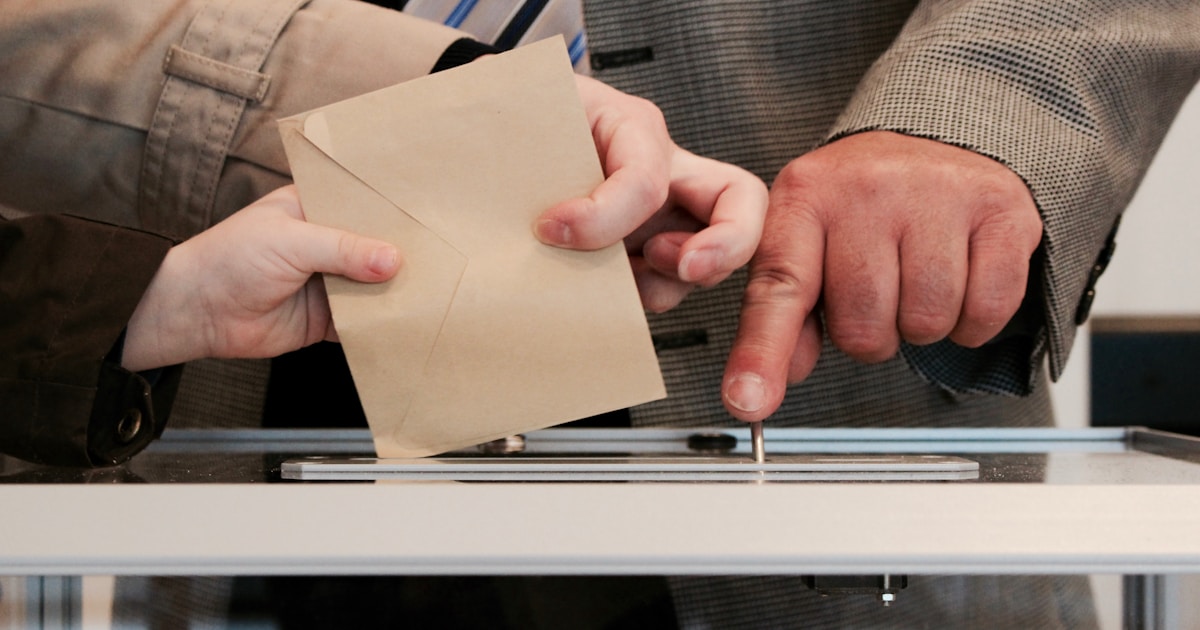
The period between 5PM and the start of counting is one of the most critical — and most vulnerable — windows in a Kenyan election. Understanding the closing procedure is essential for every agent who wants to protect the integrity of the vote.
The ORPP Agents Quick Guide (June 2022) published by the Office of the Registrar of Political Parties details the step-by-step procedures that must be followed when a polling station closes. Agents who understand these steps can detect irregularities in real time and create a documentary record that holds up in petitions.
When Does the Station Close?
Polling stations in Kenya officially close at 5:00 PM. However, a critical rule applies: any voter who is already in the queue at 5:00 PM has the right to vote. The station does not close until the last person in the queue at the official closing time has cast their ballot.
Agents should note the exact time the last voter completes voting — this becomes part of the station diary record.
The Closing Procedure: Step by Step
Step 1: Seal the Ballot Box Slots
Once the last voter has deposited their ballots, the Presiding Officer (PO) seals the slot of each ballot box using tamper-evident seals. This prevents any additional ballots from being inserted after voting has ended.
Agent action: Agents may affix their own seals to the ballot boxes alongside the official IEBC seals. This is a critical right — agents should carry their own seals and use them. Record the seal numbers in your notebook.
Step 2: Agents Affix Their Own Seals
Each accredited agent present has the right to place their party's seal on every ballot box. This creates multiple layers of tamper evidence. If a box arrives at the tallying centre with a broken or missing seal, it raises an immediate red flag.
Step 3: Presiding Officer Completes the Polling Station Diary
The PO completes the polling station diary, which is one of the most important documents produced on election day. The diary records:
- Total ballot papers received by the station for each position
- Total ballot papers issued to voters during the day
- Total spoilt ballot papers — those returned by voters and stamped "SPOILT"
- Total unused ballot papers — those remaining at close of voting
- Time of opening, any interruptions, time of closing, and time the last voter voted
- Any incidents or complaints recorded during the day
The Reconciliation Formula
The diary must demonstrate that all ballot papers are accounted for using the reconciliation formula:
If this equation does not balance, it indicates either a clerical error or a potential irregularity. Agents should independently track these numbers throughout the day and compare their count with the PO's figures at closing.
| Category | Description | Agent Action |
|---|---|---|
| Received | Total ballot papers delivered to the station at opening | Record this number at the start of the day |
| Issued | Total ballot papers given to voters throughout the day | Keep a running tally using voter count |
| Spoilt | Ballot papers returned by voters and stamped "SPOILT" | Count each spoilt ballot as it occurs |
| Unused | Ballot papers remaining unused at close | Verify the count of remaining papers |
Step 4: Package Unused Ballot Papers
All unused ballot papers are placed in a tamper-proof envelope. The envelope is sealed, and the number of unused papers is recorded on the envelope and in the diary. Agents should verify that the count on the envelope matches their own records.
Step 5: Package Spoilt Ballot Papers Separately
Spoilt ballot papers are packaged in a separate envelope from unused papers. Each spoilt ballot should already be stamped "SPOILT". Agents should verify the count and ensure no unmarked ballots are included among the spoilt papers.
Step 6: Package the Marked Register
A copy of the marked register — the register showing which voters actually cast ballots — is packaged. This document is critical for any future verification of turnout figures.
Step 7: Package Counterfoils
Counterfoils — the stubs remaining after ballot papers are torn from their booklets — are packaged separately. Counterfoils carry serial numbers that correspond to issued ballot papers and serve as another verification mechanism.
Step 8: Diary Statement Completed
The PO completes and signs the diary statement, which summarizes all the numbers from the reconciliation. Agents present are invited to review and countersign the diary. If an agent disagrees with any figure, they should record their objection in writing.
Why the Closing Period Matters
The window between closing and counting is when the most critical election materials are sealed and documented. Any failure in this process — unsealed boxes, unreconciled ballot paper counts, missing diary entries — can become grounds for a petition. In several past Kenyan election petitions, courts have scrutinized the closing procedures and ballot reconciliation as key evidence.
Agent Checklist for Closing
- Note the exact time the last voter finishes voting
- Watch ballot box slots being sealed
- Affix your own party seal to each ballot box
- Record all seal numbers in your notebook
- Verify the PO's ballot paper counts: received, issued, spoilt, unused
- Confirm the reconciliation formula balances
- Watch packaging of unused and spoilt ballots
- Request to review the polling station diary
- Record any discrepancies or objections in writing
- Photograph sealed ballot boxes with your seals visible
Using Votrack, agents can submit closing-time reports with timestamped photographs of sealed ballot boxes, seal numbers, and ballot reconciliation figures. This parallel record has proved invaluable in election petition evidence.
CTA: The closing procedure is where elections are protected or lost. Request a Votrack demo and equip your agents with real-time closing checklists.
Share this article
Need Real-Time Election Tracking?
Votrack provides secure, parallel vote tallying for every electoral position in Kenya.
Learn More About Votrack