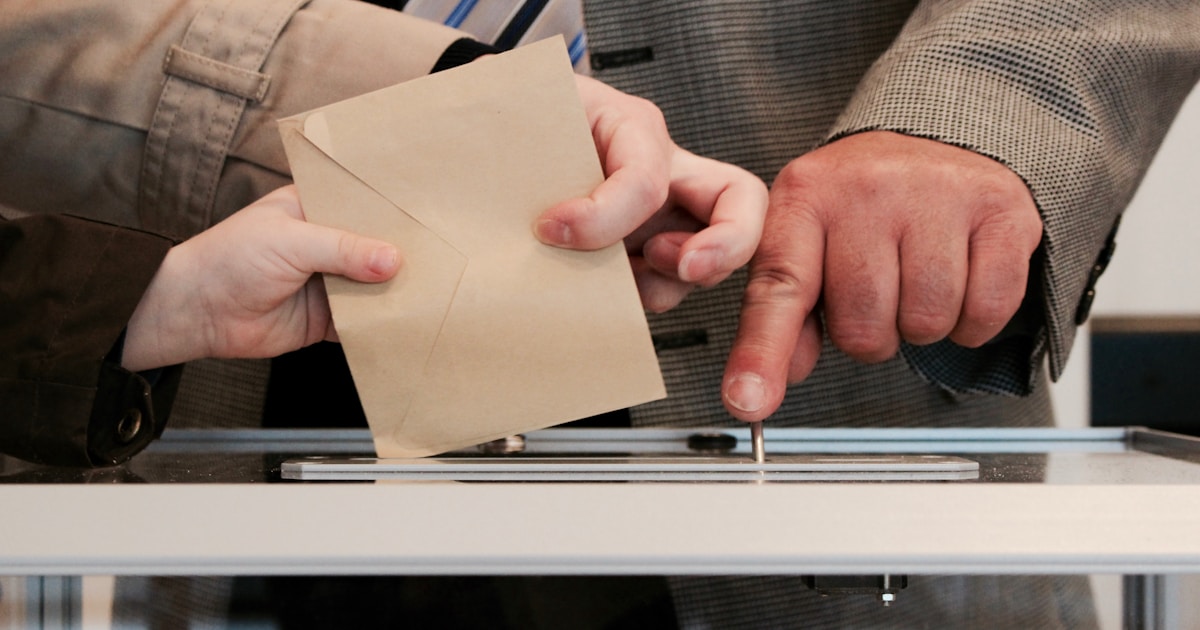
Kakamega is Western Kenya’s electoral giant. With 844,709 registered voters in 2022, it dwarfs every other county in the region and ranks among the top ten nationally. Raila Odinga won it decisively with 71.04% of the vote. But dig into the numbers and you see cracks: a turnout of just 60.29%, 5,562 rejected ballots (the 3rd highest in Kenya), and a significant chunk of the electorate that simply stayed home.
In an election decided by 233,211 votes nationally, Kakamega’s missing voters and spoiled ballots represent a strategic vulnerability that no campaign can afford to ignore.
The 2022 Presidential Result in Kakamega
Here is how Kakamega voted on August 9, 2022:
- Raila Odinga (Azimio): 357,857 votes (71.04%)
- William Ruto (UDA): 141,166 votes (28.02%)
- George Wajackoyah (Roots): 3,459 votes (0.69%)
- David Mwaure (Agano): 1,237 votes (0.25%)
- Total valid votes: 503,719
- Rejected ballots: 5,562
- Registered voters: 844,709
- Turnout: 60.29%
Odinga’s margin was 216,691 votes — a commanding lead of 43 percentage points. This was one of his largest county-level margins outside Nyanza. But raw margins don’t tell the full story. Kakamega left roughly 335,428 registered voters at home, and 5,562 ballots that were cast didn’t count.
How 2022 Compares to 2017
Kakamega’s political dynamics shifted between 2017 and 2022. In 2017, the county had 743,929 registered voters and Odinga won a staggering 483,157 votes (87.33% of valid votes). Kenyatta received just 63,399 votes (11.46%).
Fast forward to 2022:
- Registration grew from 743,929 to 844,709 (+100,780 voters, a 13.5% increase)
- Odinga’s vote dropped from 483,157 to 357,857 (−125,300 votes)
- The opposition/Ruto vote surged from 63,399 (Kenyatta) to 141,166 (Ruto) (+77,767 votes, a 122.7% increase)
- Odinga’s share fell from 87.33% to 71.04% (−16.29 percentage points)
What happened? Two things. First, Ruto’s UDA campaign made deep inroads in Western Kenya, peeling away voters who had previously backed Jubilee’s Kenyatta or simply stayed home. Second, Odinga’s coalition lost some of the enthusiasm that drove the 2017 vote. The net effect was a 16-point drop in Odinga’s margin despite a growing electorate.
This matters because Kakamega is the kind of county where a strong ground game can swing tens of thousands of votes. In 2017, Odinga’s margin here was 419,758 votes. In 2022, it shrank to 216,691 — a loss of 203,067 votes in margin. That erosion, multiplied across several Western Kenya counties, was a significant factor in the overall national result.
The Rejected Ballot Problem
Kakamega’s 5,562 rejected ballots ranked 3rd nationally, behind only Nairobi (12,869) and Bungoma (5,516). That’s 1.09% of all ballots cast in the county.
Why does Kakamega have such a high rejection rate? Several factors contribute:
- Voter education gaps: Rural constituencies in Kakamega have lower literacy rates, which correlates with higher ballot spoilage
- Ballot complexity: Voters must navigate six separate ballot papers (President, Governor, Senator, Woman Rep, MP, MCA) in a single visit
- First-time voter errors: With 100,780 new registrations since 2017, many voters were casting ballots for the first time
According to the IEBC’s post-election report, voter education outreach was constrained by funding and logistics, particularly in large rural counties like Kakamega. The Commission recommended expanding voter education to cover all electoral processes and simplifying statutory forms.
Track Every Ballot in Real Time
In a county with 5,562 rejected ballots, early detection of spoilage patterns can alert campaigns before it becomes a crisis. Votrack captures rejected ballot counts from every polling station and flags anomalies automatically.
Request a DemoConstituency Breakdown: Where Was Ruto Strongest?
Kakamega has 12 constituencies, and the vote was not uniform across them. While Odinga dominated in most, Ruto made notable inroads in specific areas. The county’s constituencies include Lugari, Likuyani, Malava, Lurambi, Navakholo, Mumias West, Mumias East, Matungu, Butere, Khwisero, Shinyalu, and Ikolomani.
Ruto’s best performance was in Lugari and Likuyani, the northern constituencies that border Bungoma and Trans Nzoia. These areas have significant Kalenjin and other populations beyond the dominant Luhya community. His weakest showing was in Khwisero and Ikolomani, where Odinga’s support exceeded 80%.
The constituency-level data reveals that Kakamega is not a monolith. Northern constituencies are becoming more competitive, while the southern and central parts remain firmly in the Odinga camp. For any campaign planning ground operations in Western Kenya, this distinction matters enormously.
Kakamega in the Western Kenya Context
Kakamega is the anchor of Western Kenya’s four counties (Kakamega, Vihiga, Bungoma, Busia). But these counties voted very differently in 2022:
- Busia: 81.68% Odinga (strongest)
- Kakamega: 71.04% Odinga
- Vihiga: 62.23% Odinga
- Bungoma: 35.86% Odinga (Ruto won with 63.16%)
Bungoma’s swing to Ruto was the headline story of Western Kenya in 2022. But Kakamega’s 16-point drop from 2017 was arguably more damaging to Odinga because of its sheer size. If Kakamega had voted at its 2017 rate, Odinga would have gained over 80,000 additional net votes nationally.
For more on how Bungoma swung, see our spotlight: 2022 County Spotlight: Bungoma. And for the national picture, the Daily Nation’s election coverage provides detailed regional breakdowns.
What Kakamega Tells Us About 2027
Three lessons stand out from Kakamega’s 2022 data:
- Ground erosion is real. Losing 16 percentage points in five years shows how quickly political landscapes can shift. No county’s loyalty is guaranteed.
- Rejected ballots are preventable votes. 5,562 spoiled ballots in a county that Odinga won by 216,691 may seem small. But across all of Western Kenya, rejected ballots add up to thousands of lost votes.
- Turnout is the key variable. At 60.29%, Kakamega underperformed the national average of 64.77%. If turnout had matched neighbouring Busia’s 67.08%, approximately 57,000 additional ballots would have been cast.
The Kenya Law Reports archive the legal frameworks governing voter registration and election conduct. Understanding these provisions is critical for any campaign operating in a high-rejection county like Kakamega.
Kakamega has 1,497 polling stations across 12 constituencies. Tracking them manually on election night is impossible. Votrack’s parallel tallying platform monitors every station, captures rejected ballot counts, and delivers constituency-level dashboards in real time. In Western Kenya’s biggest electorate, data is the difference between confidence and guesswork. Request a demo and see how it works.
Share this article
Need Real-Time Election Tracking?
Votrack provides secure, parallel vote tallying for every electoral position in Kenya.
Learn More About Votrack