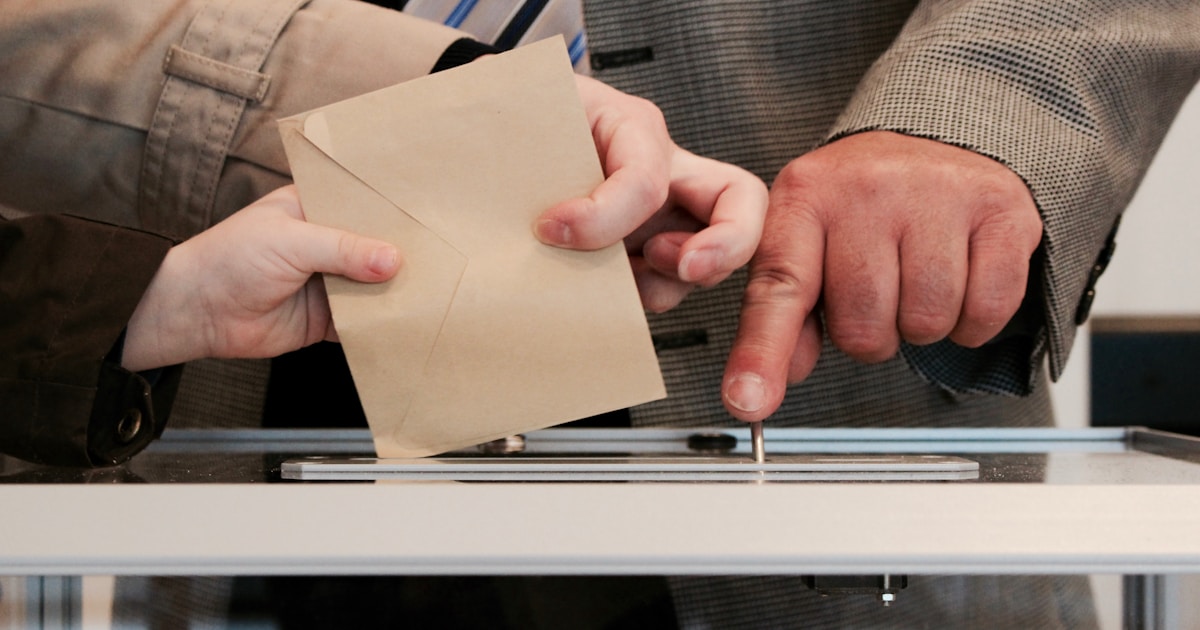
On August 9, 2022, 7.9 million registered Kenyans chose not to vote. That's more than the total votes received by either presidential candidate. While political analysts obsess over who won and who lost, the biggest story of 2022 might be the millions who decided that neither candidate — and indeed, the entire political system — was worth a trip to the polling station.
The Decline in Numbers
Kenya's presidential election turnout has been falling steadily:
- 2002: 57.2% (lower register, high enthusiasm for change from KANU)
- 2007: 69.1%
- 2013: 85.9% (first election under 2010 Constitution, massive enthusiasm)
- 2017: 79.5% (first round), 38.8% (repeat election after Supreme Court annulment)
- 2022: 65.4%
The drop from 2013 to 2022 represents a 20.5 percentage point decline — meaning Kenya lost one-fifth of its electorate in just nine years. If this trend continues, 2027 could see turnout fall below 60% for the first time in a competitive presidential election.
The Youth Exodus
The most alarming dimension of the turnout crisis is generational. Voters aged 18-34 registered at lower rates and voted at even lower rates:
- Eligible population aged 18-34: Approximately 13.5 million
- Registered voters aged 18-34: Approximately 7.2 million (53.3% registration rate)
- Estimated actual voters aged 18-34: Approximately 3.8 million (52.8% turnout among registered youth)
- Effective youth participation: Only 28.1% of eligible young Kenyans voted
This means that nearly three out of four eligible young Kenyans did not vote in the 2022 election. For a country where the median age is 20, this represents a fundamental crisis of democratic legitimacy.
The Urban-Rural Divide
Turnout patterns showed a sharp urban-rural divide:
- Nairobi: 52.1% (lowest among high-population counties)
- Mombasa: 54.3%
- Kisumu: 63.7%
- Rural Central Kenya: 72-78%
- Rural Rift Valley: 70-78%
- North Eastern: 55-62% (hampered by security and logistics)
Nairobi, with 2.2 million registered voters, had one of the nation's worst turnout figures. The city that houses Kenya's political elite, media headquarters, and civil society organizations saw barely half its voters participate.
Why They Stayed Home
Post-election surveys by TIFA Research and Infotrak identified several key reasons for non-voting:
- 'My vote doesn't matter' (34%): The most common response, reflecting deep cynicism about whether elections lead to meaningful change
- 'Too busy / work obligations' (22%): Despite election day being a public holiday, many workers in the informal sector couldn't afford to take the day off
- 'Not registered' (18%): Some eligible citizens never completed the registration process
- 'Disliked all candidates' (14%): Neither Ruto nor Raila inspired enthusiasm among a significant minority
- 'Queue too long' (7%): Some voters arrived at polling stations, saw long queues, and left
- 'Couldn't find polling station' (5%): Particularly among recently transferred voters or first-time registrants
The Apathy Constituencies
Certain constituencies had shockingly low turnout:
- Embakasi South (Nairobi): 41.3%
- Kamukunji (Nairobi): 43.7%
- Starehe (Nairobi): 44.2%
- Mathare (Nairobi): 45.1%
- Changamwe (Mombasa): 47.8%
These urban constituencies — home to large populations of young, working-class Kenyans — represent ground zero for voter apathy. The common thread: dense populations, high unemployment, and a sense that elections change nothing for ordinary people.
Economic Costs of Low Turnout
IEBC spent approximately KES 40.2 billion on the 2022 election — that's roughly KES 2,831 per actual voter. Had turnout matched 2013 levels (85.9%), the cost per voter would have dropped to KES 2,152. Low turnout doesn't just undermine democracy — it makes elections less cost-effective.
What 2027 Needs
Reversing the turnout decline requires addressing its root causes:
- Convenience: Allow early voting, workplace voting, or multi-day voting periods
- Youth engagement: Register voters at universities, TVET colleges, and through mobile platforms
- Civic education: Invest in year-round voter education, not just 90-day pre-election campaigns
- Accountability: Demonstrate that elected officials face consequences for non-performance
The 7.9 million who stayed home aren't apathetic by nature — they're rational actors responding to a system that hasn't earned their participation. The challenge for 2027 is to give them a reason to show up.
Track voter turnout in real time across all 47 counties. Request a Votrack demo to see turnout monitoring in action.
Share this article
Need Real-Time Election Tracking?
Votrack provides secure, parallel vote tallying for every electoral position in Kenya.
Learn More About Votrack