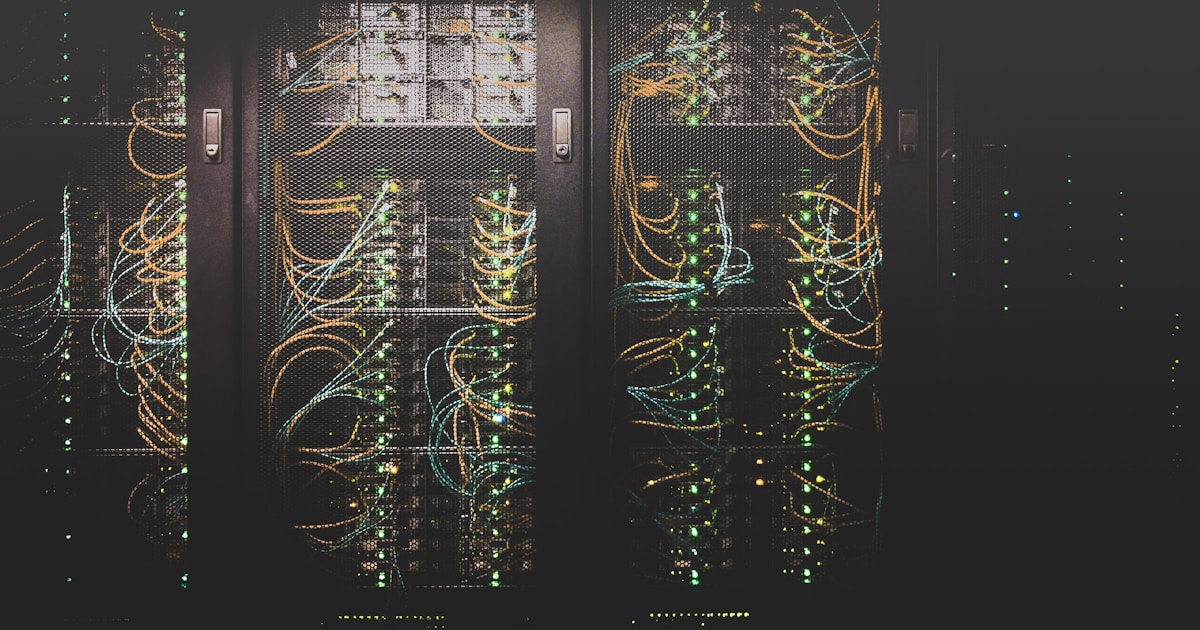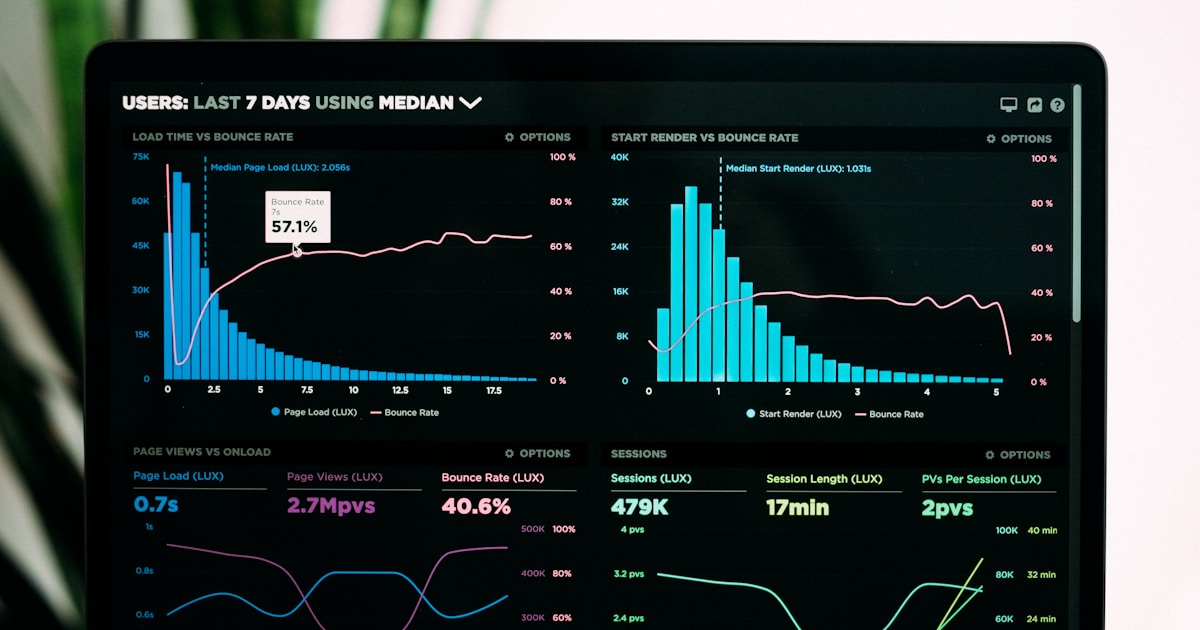
Before the Supreme Court petitions, before the political noise, before the arguments about servers and algorithms, there was a quiet technological triumph in Kenya's 2022 election: 97% of all voters who cast ballots were verified biometrically using KIEMS kits. That's over 14 million fingerprint or facial recognition verifications processed in a single day across 46,229 polling stations.
The Kenya Integrated Election Management System — KIEMS — doesn't get the credit it deserves. In a continent where election technology is often blamed for failures, Kenya's biometric verification system worked almost exactly as designed.
What Is a KIEMS Kit?
A KIEMS kit is a ruggedized tablet computer equipped with a fingerprint scanner, camera, and cellular connectivity. Each polling station in Kenya received at least one kit. The device performs three critical functions:
- Voter identification: It scans a voter's fingerprint or uses facial recognition to match against the IEBC's biometric database of 22.1 million registered voters
- Voter verification: It confirms the voter is registered at that specific polling station
- Results transmission: After counting, the presiding officer photographs the results form (Form 34A) and transmits it electronically to the constituency tallying center and the national tallying center at Bomas of Kenya
The kits run on Android-based software customized for the IEBC. Each unit costs approximately KES 150,000 (about USD 1,200), putting the total hardware investment at roughly KES 6.9 billion for the 46,229 units deployed in 2022.
The 97% Verification Rate
Of the 14,213,137 voters who cast ballots in the 2022 presidential election, approximately 13,787,000 were verified biometrically — meaning their fingerprint or facial scan matched a record in the IEBC database. The remaining 3% — roughly 426,000 voters — were verified manually using the physical voter register after their biometric data couldn't be matched.
Manual verification happens when:
- A voter's fingerprints are worn or damaged (common among manual laborers and the elderly)
- The kit's fingerprint scanner malfunctions
- Network connectivity issues prevent real-time database lookup
- The voter's biometric data was poorly captured during registration
The 97% success rate was a significant improvement over 2017, when the biometric verification rate was approximately 93%. The IEBC attributed the improvement to better hardware (the 2022 kits were newer models with improved scanners), re-registration drives that captured higher-quality biometric data, and the addition of facial recognition as a fallback when fingerprint matching failed.
Where the Kits Struggled
The 3% failure rate wasn't evenly distributed. Several patterns emerged:
Arid and semi-arid counties had higher failure rates. In Turkana, Marsabit, and Wajir, biometric verification rates dropped to around 90-92%. The combination of extreme heat affecting hardware performance, dust contaminating fingerprint scanners, and poor network coverage created a perfect storm of technical challenges.
Elderly voters consistently struggled with fingerprint scanning. The IEBC's own data showed that voters over 70 had a biometric match rate of roughly 85%, compared to 99% for voters aged 18-35. Worn fingerprints from decades of manual labor are a known challenge for biometric systems worldwide.
High-density urban polling stations saw kit performance degrade over the day. In Nairobi's Mathare and Kibera, where some stations processed 600+ voters, kits became sluggish by mid-afternoon. Battery life was also an issue — some kits ran out of charge before all voters had been processed, requiring presiding officers to switch to backup power banks.
The Results Transmission Question
While voter verification worked well, the results transmission function of the KIEMS kits became the most controversial aspect of the 2022 election. The kits were supposed to transmit images of Form 34A results from all 46,229 polling stations to the national tallying center.
According to the IEBC, 98.1% of Form 34As were transmitted electronically. The remaining 1.9% — roughly 879 forms — were delivered physically due to network failures or kit malfunctions. These untransmitted forms became a major point of contention in the Supreme Court petition, with the Azimio coalition arguing that the gaps created opportunities for manipulation.
The Supreme Court ultimately upheld the results, noting that physical delivery of forms is a legitimate backup under Kenyan election law and that the petitioners had not demonstrated that the untransmitted forms contained different results from those physically delivered.
Cost vs. Benefit
Kenya's investment in KIEMS technology is substantial. The total cost of the 2022 election was approximately KES 44 billion (USD 370 million), of which an estimated KES 14 billion went to technology — including KIEMS kit procurement, software development, server infrastructure, and network costs.
That's roughly KES 1,000 (USD 8) per voter for the technology component alone. Is it worth it?
The argument for biometric verification is straightforward: it virtually eliminates voter impersonation. In 2007, when Kenya used only paper-based voter identification, allegations of ghost voters and multiple voting were rampant and contributed to the post-election violence that killed over 1,100 people. In 2022, with 97% biometric verification, allegations of voter impersonation were essentially absent from the Supreme Court petition.
The argument against is cost. Many observers note that KES 14 billion could build 700 secondary schools or equip 1,400 health centers. The question is whether the democratic dividend justifies the expenditure.
What 2022's KIEMS Performance Means for 2027
The 2027 election will likely use a next-generation KIEMS system. The IEBC (or its successor body) will need to procure new hardware, as the 2022 kits will be five years old by election day. Key improvements expected include:
- 5G connectivity: Kenya's 5G rollout means faster data transmission from polling stations
- Improved facial recognition: Newer algorithms perform better across diverse skin tones and lighting conditions
- Longer battery life: Modern tablets can last 14+ hours on a single charge
- Integration with Maisha Namba: Kenya's new digital ID system could simplify voter verification
The 97% verification rate in 2022 set a high bar. The challenge for 2027 is to close the gap to 99% while maintaining the speed needed to process voters without excessive wait times.
The Bigger Picture
Kenya's KIEMS system is one of the most advanced election technology deployments in Africa. Nigeria's BVAS system, used in 2023, achieved a similar biometric verification rate but struggled more with results transmission. Ghana and South Africa still rely primarily on manual voter identification.
The lesson from Kenya's 2022 experience is that election technology works when properly implemented, maintained, and supported by trained personnel. The 97% biometric verification rate didn't happen by accident — it required years of investment, multiple procurement cycles, extensive training of 300,000+ polling station staff, and robust infrastructure planning.
The technology isn't perfect. But it's a remarkable achievement for a country that just 15 years ago was counting votes by candlelight.
Your agents report from every polling station. Votrack makes sure their numbers match. Our parallel tallying platform cross-references agent observations with official KIEMS transmissions, flagging discrepancies in real time. Request a demo and see why data-driven campaigns trust Votrack.
Share this article
Need Real-Time Election Tracking?
Votrack provides secure, parallel vote tallying for every electoral position in Kenya.
Learn More About Votrack