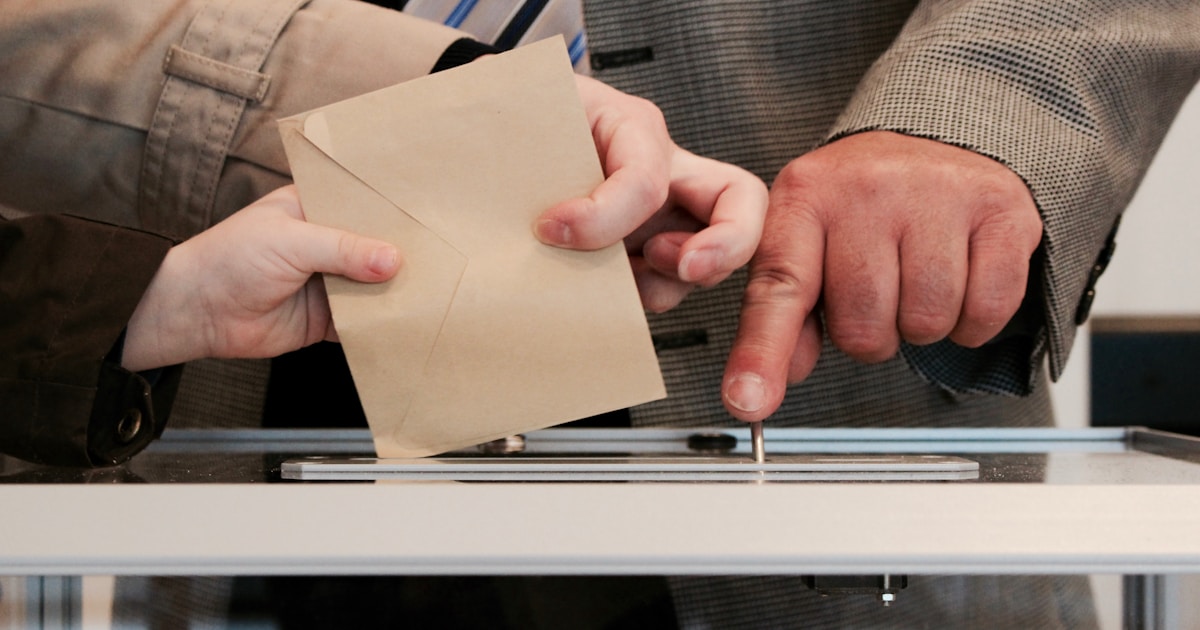
In 2013, women were nearly half of registered voters. By 2017, the gap widened.
Kenya's 2010 Constitution was supposed to usher in a new era for women's political participation. Article 81 requires the electoral system to comply with the principle that not more than two-thirds of elected members shall be of the same gender. But the numbers tell a different story at the voter registration level.
In 2013, 7,246,307 women were registered to vote, making up 49% of the total 14,788,381 registered voters. By 2017, the female register grew to 9,142,275 — an addition of nearly 1.9 million women. That sounds like progress. But the male register grew even faster, adding 2.9 million men to reach 10,469,148.
The result? Women's share of the voter register fell from 49% to 46.6%. A 2.4 percentage point drop.
The Numbers Side by Side
Look at the raw numbers. In 2013, the gap between male and female registered voters was 295,767. By 2017, that gap had exploded to 1,326,873. The male register grew by 38.8%, while the female register grew by only 26.2%. In absolute terms, men added a million more new registrations than women did.
This is not a minor statistical blip. In an election where Uhuru Kenyatta won the August vote by about 1.4 million votes, the gender registration gap of 1.3 million could be the difference between winning and losing.
Why Did the Gap Widen?
Several factors contributed to the growing gender gap in voter registration between 2013 and 2017:
- Youth bulge favoured men: Kenya's youth population skews slightly male, and the 2017 registration drive heavily targeted young voters. About 51% of registered voters in 2017 were under 35, and young men were more likely to register than young women.
- Rural barriers: Women in rural areas faced longer distances to registration centres, cultural barriers that discouraged political participation, and competing demands on their time from unpaid care work and farming.
- ID card access: A national identity card is required to register as a voter. Women, especially in pastoralist and marginalised communities, were less likely to have obtained national IDs compared to men.
- Registration centre placement: Registration centres were often placed in trading centres and towns, which are male-dominated spaces in many Kenyan communities.
The pie charts tell the story simply. In 2013, the split was nearly 50-50. By 2017, the gap was visible enough to matter in any close election.
The Absolute Growth Story
It would be unfair to say women's registration went backward. It did not. In absolute terms, the IEBC registered 1,895,968 additional women between 2013 and 2017. That is a significant achievement. The problem is that men's registration grew by 2,927,074 in the same period — more than a million ahead.
The growth rate gap is revealing. Female voter registration grew at 26.2% between elections. Male registration grew at 38.8%. That 12.6 percentage point difference in growth rates is what turned a near-parity situation in 2013 into a clear gap by 2017.
What the Constitution Demands
The Constitution of Kenya 2010 is clear on gender equity in political representation. Article 27 guarantees equality before the law and prohibits discrimination on the basis of sex. Article 81 requires the electoral system to comply with the two-thirds gender principle.
But representation starts with registration. If fewer women register, fewer women vote. If fewer women vote, the political incentive to nominate and support female candidates weakens. The gender registration gap is the first link in a chain that leads to the fact that only 179 women were elected out of 1,910 total elected officials in 2017 — just 9.4%.
Of the 1,358 women who ran as candidates in 2017, only 23 won National Assembly seats, only 3 became governors, and only 3 won Senate seats. At the MCA level, just 96 women won out of 1,448 wards — a mere 6.6%.
Comparing Regions
The gender gap in voter registration was not uniform across the country. Counties with higher levels of education and urbanisation tended to have smaller gaps. Counties in the former North Eastern Province, where cultural norms more strongly restrict women's public participation, showed the largest gaps.
In Garissa, Wajir, and Mandera, female registration rates were consistently below 40%. In contrast, Nairobi, Kiambu, and Nakuru had female registration rates closer to 47-48%, still below parity but much closer to the national average.
Looking Ahead
By 2022, Kenya's total registered voters grew to 22,120,458. The gender breakdown for 2022 showed continued challenges in closing the gap, though targeted IEBC registration drives in underserved areas made some progress. The question for 2027 is whether Kenya can return to the near-parity of 2013 — or whether the gap will continue to widen.
For more on how Kenya's voter demographics have changed over time, see our analysis of youth voter registration in 2017 and the great turnout decline from 86% to 65%.
Key Takeaways
- Female share fell from 49% to 46.6% — a 2.4 percentage point decline between 2013 and 2017
- The raw gender gap widened from 296K to 1.33 million — men added a million more new registrations
- Male registration grew at 38.8% vs female at 26.2% — a 12.6 percentage point growth rate difference
- Only 9.4% of elected officials in 2017 were women — registration gaps feed representation gaps
Every campaign needs to understand who their voters are. Votrack breaks down voter registration by gender, age, and location at every administrative level. Request a demo to build an inclusive campaign strategy for 2027.
Share this article
Need Real-Time Election Tracking?
Votrack provides secure, parallel vote tallying for every electoral position in Kenya.
Learn More About Votrack