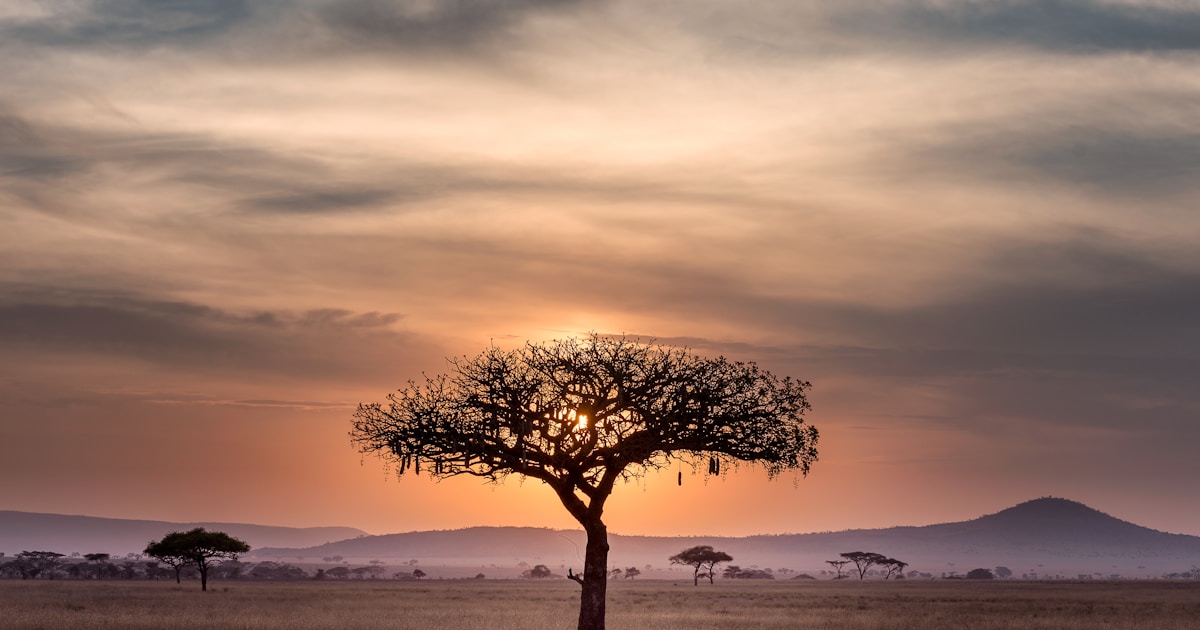
The Rift Valley has been the cornerstone of Kalenjin political power since independence. But even by historical standards, UDA's 2022 performance in the region was extraordinary. Across 14 Rift Valley counties, William Ruto's party achieved a level of electoral dominance that rivals KANU's heyday — and in some wards, surpassed it.
The Presidential Sweep
Ruto's presidential vote share across the Rift Valley was overwhelming:
- Bomet: 94.7% — the highest county-level performance nationally
- Kericho: 93.2%
- Nandi: 92.8%
- Elgeyo Marakwet: 91.5%
- Uasin Gishu: 89.3%
- Baringo: 88.1%
- Nakuru: 67.4% (more cosmopolitan, significant Kikuyu and other populations)
- Narok: 65.3% (Maasai-majority with opposition pockets)
- Kajiado: 54.2% (Nairobi spillover, highly cosmopolitan)
Total votes from the broader Rift Valley: approximately 3.2 million, with Ruto capturing roughly 2.5 million — a net advantage of 1.8 million votes, almost single-handedly accounting for his national margin.
Ward-Level Domination
At the ward level, UDA's performance in the Kalenjin heartland was staggering. Consider these wards in Bomet County:
- Chepchabas Ward: Ruto 97.1%, Raila 2.4%
- Nyangores Ward: Ruto 96.3%, Raila 3.1%
- Sigor Ward: Ruto 95.8%, Raila 3.5%
- Kembu Ward: Ruto 95.4%, Raila 4.0%
In these wards, voting was essentially unanimous. The opposition's presence was so minimal that Raila's agents were in some cases unable to find enough local supporters to staff all polling stations.
The Gubernatorial Clean Sweep
UDA's dominance wasn't limited to the presidential race. The party won every single gubernatorial seat in the Rift Valley:
- Bomet: Hillary Barchok (UDA) — 78.3%
- Kericho: Erick Mutai (UDA) — 82.1%
- Nandi: Stephen Sang (UDA) — 74.5%
- Uasin Gishu: Jonathan Bii (UDA) — 71.2%
- Elgeyo Marakwet: Wisley Rotich (UDA) — 69.8%
- Baringo: Benjamin Chesire (UDA) — 65.4%
- Nakuru: Susan Kihika (UDA) — 52.8% (closest race in the region)
Nakuru was the only county where the gubernatorial race was genuinely competitive, owing to its ethnic diversity and the strength of Azimio candidate Polycarp Igathe's campaign.
Why the Dominance Was So Complete
Several factors explain UDA's Rift Valley hegemony:
1. Ethnic solidarity: The Kalenjin community has historically voted as a bloc, and in 2022, the 'son of the soil' factor was at maximum strength. Ruto wasn't just a party leader — he was the community's candidate for the presidency.
2. Economic messaging: The Bottom-Up economic model resonated strongly in Rift Valley agricultural communities. Tea, maize, and dairy farmers, squeezed by low commodity prices and high input costs, saw Ruto's platform as directly addressing their concerns.
3. Anti-handshake backlash: The perception that Uhuru had betrayed his deputy — and by extension, the Kalenjin community — fueled a defiant turnout. Many Rift Valley voters framed their vote as a rebuke of Uhuru and the 'deep state.'
4. Party infrastructure: UDA built grassroots structures that extended to every sub-location in the Rift Valley. The party's agent network was the most comprehensive of any party in the region, ensuring vote protection at every polling station.
The Turnout Story
Rift Valley didn't just vote overwhelmingly for Ruto — it turned out in massive numbers:
- Regional average turnout: 72.3% (vs. national average of 65.4%)
- Bomet: 78.1% turnout
- Kericho: 76.4% turnout
- Nandi: 74.9% turnout
This combination of high turnout and near-unanimous voting created the vote mountain that proved insurmountable for Azimio. Even if Raila had won 100% of Luo Nyanza's vote at maximum turnout, the Rift Valley's contribution to Ruto's tally would still have given Kenya Kwanza a comfortable buffer.
Looking Ahead: Can Anyone Challenge UDA in the Rift Valley?
For opposition strategists, the Rift Valley presents a near-impossible challenge. The region's bloc voting pattern has been consistent across every multi-party election since 1992. The only successful strategy has been to incorporate a Kalenjin leader into the coalition (as Kibaki did with Ruto in 2002 and Uhuru did in 2013).
For 2027, the interesting question is whether Ruto can maintain this level of support as an incumbent — particularly if economic conditions don't improve. History suggests incumbency advantage may actually reduce bloc voting intensity, as local grievances begin to erode ethnic solidarity.
Explore ward-level voting data across the Rift Valley. View UDA's 2022 Elgeyo Marakwet Senate nomination results live on our portal, or request a Votrack demo for full access.
Share this article
Need Real-Time Election Tracking?
Votrack provides secure, parallel vote tallying for every electoral position in Kenya.
Learn More About Votrack