An average of 8.6 candidates per seat — 2022 saw the highest candidate density in Kenyan electoral history.
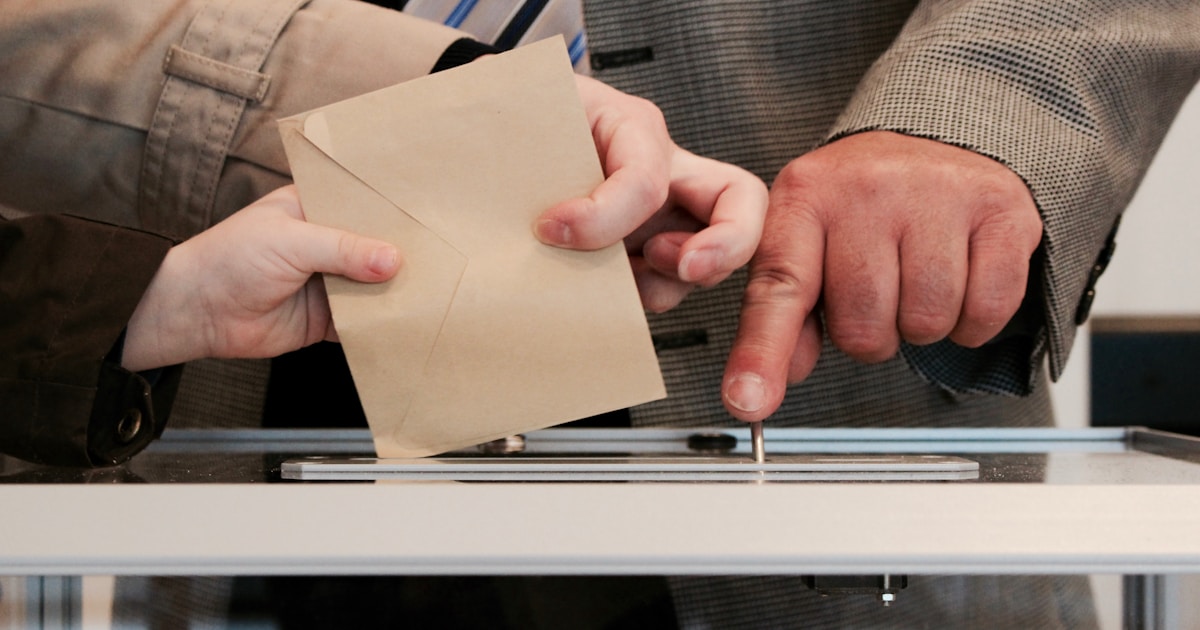
When Kenyans walked into the voting booth on August 9, 2022, many faced ballot papers the length of their arm. At the Member of County Assembly level, some wards had more than a dozen candidates. Nationally, 16,098 candidates competed for 1,882 elective positions across six categories. That is an average ratio of 8.6 candidates per seat.
To put this in perspective: in a typical UK general election, each constituency has about 5-6 candidates. In the United States, most House races have 2-3 candidates. Kenya's 2022 election had more candidates per seat than virtually any democracy on earth. And the numbers tell a fascinating story about how Kenyan politics actually works.
The Breakdown by Position
The IEBC registered candidates across six elective positions. The distribution was wildly uneven:
At the top of the ballot, only 4 presidential candidates made it through clearance: William Ruto (UDA/Kenya Kwanza), the late Raila Odinga (Azimio la Umoja), George Wajackoyah (Roots Party), and David Waihiga Mwaure (Agano Party). Originally, 17 independent presidential aspirants submitted their details, but none cleared the stringent requirements.
At the other end, 12,998 candidates competed for 1,450 MCA seats. That is an average of 9 candidates per ward. In some urban wards, the figure was even higher. The ballot paper for MCA alone stretched to accommodate all names, party symbols, and photographs.
In between, the IEBC registered 266 governor candidates for 47 seats (5.7 per seat), 342 senator candidates for 47 seats (7.3 per seat), 361 County Woman Member of National Assembly candidates for 47 seats (7.7 per seat), and 2,135 MNA candidates for 290 constituencies (7.4 per seat).
The Rise of Independent Candidates
Perhaps the most striking feature of the 2022 ballot was the number of independents. Of the 16,098 registered candidates, 28.1% ran as independents — without any party backing. That translated to roughly 4,528 independent candidates across all positions.
The independent candidate phenomenon was strongest at the MCA level, where 3,798 independents (29.2% of MCA candidates) took on 9,200 party-sponsored candidates. At the MNA level, 555 independents (26% of MNA candidates) contested alongside 1,580 party candidates.
Why so many independents? Several factors drove this trend:
- Party nomination disputes: Candidates who lost party primaries often re-entered as independents rather than accept defeat
- Weak party structures: With 81 out of 90 registered parties contesting the election, many smaller parties served primarily as vehicles for individual candidates
- Voter frustration with parties: Some candidates believed the "independent" label carried credibility with disillusioned voters
- The 2010 Constitution: Article 85 explicitly provides for independent candidates at every level, making the option constitutionally protected
The trend of independent candidacy has grown with each election cycle. In 2013, independents were still a novelty. By 2022, they were nearly a third of the ballot.
The Nomination Chaos Behind the Numbers
Getting 16,098 candidates registered was not a smooth process. The IEBC used the Candidate Registration Management System (CRMS) to process registrations electronically. In total, 11,523 party-sponsored candidates were submitted by political parties, and 5,434 independent aspirants submitted their details directly.
But the CRMS system ran into problems. The IEBC's post-election report documented that in the first days of candidate clearance, the system had access difficulties that forced some Returning Officers to clear candidates manually. Independent candidates had to be processed centrally at IEBC headquarters, causing long queues and data entry errors.
The candidate clearance process was also compressed by prolonged judicial dispute settlement over party nominations. This delayed ballot paper production and distribution in some areas, creating the logistics challenges that observers noted on election day.
Candidate Density: 2017 vs 2022
How did 2022 compare to 2017? The growth in candidate numbers was significant across most positions:
Presidential candidates dropped from 8 in 2017 to just 4 in 2022 — the fewest in recent history. But at every other level, candidate numbers grew. The MCA field expanded most dramatically, reflecting both the popularity of ward-level politics and the low barriers to entry.
The 81 political parties that contested the election (out of 90 registered) added to the complexity. Unlike a two-party system where the ballot is simple, Kenya's multi-party landscape meant that even within a single coalition like Azimio or Kenya Kwanza, multiple parties fielded candidates for the same seats.
What Crowded Ballots Mean for Democracy
Having many candidates sounds democratic. More choices should mean better representation. But in practice, crowded ballots create problems:
- Voter confusion: With 9+ candidates on a ballot, voters must navigate a long paper, read small text, and identify their candidate among similar names and symbols
- Rejected ballots: The 2022 election saw 113,614 rejected presidential ballots nationwide. At lower levels, where the ballot is longer and more confusing, rejection rates were higher
- Vote splitting: Multiple candidates from the same political tendency can split the opposition vote, allowing an unpopular candidate to win with a minority. George Wajackoyah's 61,969 votes and David Mwaure's 31,987 votes in the presidential race were small, but in tighter contests at lower levels, splitting is significant
- Resource drain: The IEBC had to produce, distribute, and manage ballot papers for all 16,098 candidates across 46,229 polling stations. Every additional candidate means more paper, more ink, and more logistics
For deeper analysis of how the third-candidate dynamic played out at the presidential level, see our piece on the Wajackoyah factor.
What This Means for 2027
If the trend continues, the 2027 ballot could be even more crowded. More Kenyans are running as independents. More parties are registered. And at the MCA level — where the bar for entry is lowest — candidate numbers are likely to keep growing.
The IEBC has recommended decentralising the clearance of independent candidates to county and constituency offices, stress-testing the CRMS at least 30 days before nomination starts, and setting nomination timelines based on previous experience rather than optimistic projections.
Whether these reforms happen will determine if the 2027 nomination process is smoother — or produces even more chaos than 2022's record-breaking ballot.
Managing candidates, agents, and results across 1,882 seats is no small task. Votrack handles it all — from candidate registration to agent deployment to real-time results. Request a demo and see how political parties track 16,000+ candidates on one platform.
Share this article
Need Real-Time Election Tracking?
Votrack provides secure, parallel vote tallying for every electoral position in Kenya.
Learn More About Votrack