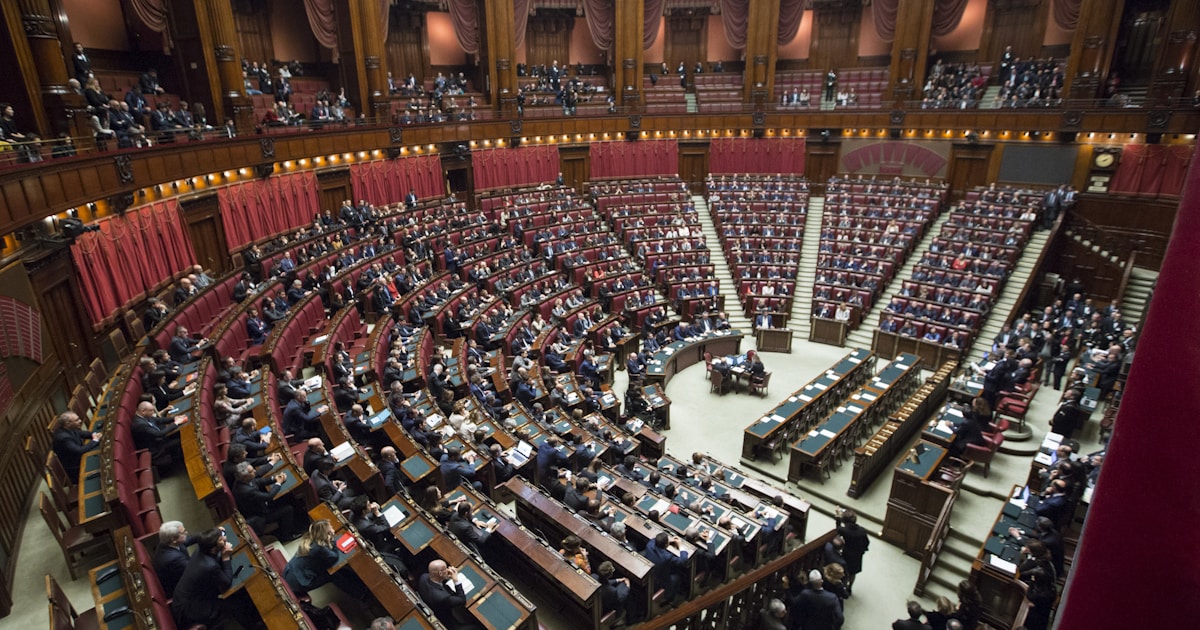
The county assembly speaker elections were the first real test of coalition power after the 2022 general election. In 47 counties, backroom deals, party whips, and cash determined who would control the legislative agenda for five years.
Why Speakers Matter
County assembly speakers are among the most powerful figures in devolved government. They control the assembly calendar, determine which motions are debated, rule on points of order, and critically, they chair the County Assembly Service Board that manages MCA salaries and allowances. A hostile speaker can paralyse a governor's agenda; a friendly one can fast-track budgets and appointments.
The 2022 speaker elections took place in late September and early October 2022, roughly a month after the general election. Unlike public elections, speaker elections are decided by MCAs voting in the assembly chamber. Each county assembly has between 30 and 90 MCAs (a mix of elected ward representatives and nominated members), and the speaker needs a simple majority.
The Numbers Game
Nationally, Kenya has 2,222 MCA positions: 1,450 elected ward representatives and 772 nominated members (one-third of the elected total, as required by the Constitution). The nominated slots are allocated to parties based on their share of elected seats, and they are required to meet the two-thirds gender rule.
After the 2022 election, UDA won the most MCA seats nationally with approximately 648 elected ward representatives. ODM followed with about 378, then independent candidates with 142, Jubilee with 88, Wiper with 62, and the remaining seats split among smaller parties. When nominations were factored in, UDA's dominance was even more pronounced, giving Kenya Kwanza a comfortable majority in most Rift Valley, Mt. Kenya, and parts of Western assemblies.
The Battleground Counties
While speaker elections in stronghold counties were foregone conclusions, several counties produced dramatic contests:
Nairobi County: The capital's assembly, with 85 MCAs (including nominated), was the biggest prize. Kenya Kwanza and Azimio each claimed majority numbers, leading to weeks of lobbying. MCAs reported being offered between KSh 500,000 and KSh 2 million each to vote for particular candidates. The final vote saw the Kenya Kwanza-backed candidate win by a slim margin of 46-39 after several Azimio-leaning MCAs crossed the floor.
Mombasa County: Despite ODM's Abdulswamad Nassir winning the governorship, the speaker election was fiercely contested. The assembly, with about 60 MCAs, initially split evenly. The eventual speaker was a compromise candidate acceptable to both the governor and a faction of Kenya Kwanza MCAs who demanded committee chairmanships in exchange for their votes.
Kakamega County: The county that was the epicentre of the ANC-ODM rivalry in Western Kenya saw a bitter speaker contest. ANC-allied MCAs, despite being numerically fewer after Mudavadi's move to Kenya Kwanza, blocked the ODM candidate in the first round. The election required three rounds of voting before a speaker was elected.
Nakuru County: As one of the most cosmopolitan counties, Nakuru's assembly reflected multiple political interests. Despite UDA's dominance, the speaker election was contested because different UDA factions backed different candidates, reflecting the internal tensions between Rift Valley and Mt. Kenya MCAs within the same party.
Kilifi County: The Coastal county saw a dramatic contest where ODM, despite being the dominant party, could not unite its MCAs. The speaker election exposed internal ODM fractures along sub-ethnic lines (Giriama vs Mijikenda), and the winning candidate was selected only after direct intervention from the party headquarters in Nairobi.
The Money Factor
Speaker elections in Kenya are notoriously expensive for the candidates seeking the position. Unlike general elections where campaigns are public, speaker campaigns happen in hotel rooms, private residences, and WhatsApp groups. Multiple MCAs across different counties reported that speaker candidates spent between KSh 20 million and KSh 80 million on their campaigns.
The spending manifested in several ways: direct cash payments to MCAs, promises of committee chairmanships (which come with additional allowances of KSh 150,000-250,000 per month), and commitments on infrastructure projects for specific wards. In at least 8 counties, losing speaker candidates subsequently filed court challenges alleging bribery, though none were successful.
The Ethics and Anti-Corruption Commission (EACC) opened preliminary inquiries into speaker elections in 5 counties but did not file charges. The difficulty of proving vote-buying in secret ballot elections, combined with the reluctance of MCAs to testify against their colleagues, made prosecution virtually impossible.
Gender and Speaker Elections
Of the 47 county assembly speakers elected in 2022, only 3 were women: in Laikipia, Embu, and Nyandarua counties. This represented 6.4% of all speakers, far below the constitutional two-thirds gender threshold. The low number reflects the broader challenge of women's political participation in Kenya, where fewer than 10% of elected MCA positions are held by women.
The nominated MCA slots, designed to address gender balance, did not translate into speaker positions because nominated MCAs typically lack the political clout and resources to campaign for the speakership. In several counties, nominated MCAs reported being pressured by their parties to vote for specific candidates, reducing their independence.
The Governor-Speaker Relationship
The speaker elections set the tone for county governance for the 2022-2027 term. In counties where the governor's preferred candidate won, legislative-executive relations were generally smooth. In counties where an opposition speaker was elected, the consequences were immediate: delayed budget approvals, hostile questioning of executive nominees, and threats of impeachment.
By mid-2023, at least 6 governors were facing impeachment threats from their county assemblies, with speaker positioning being a key factor. The speaker's power to allow or block impeachment motions from the floor made the speakership a governance flashpoint.
What This Means for 2027
The 2022 speaker elections demonstrated that political power in Kenya does not end at the ballot box. The post-election manoeuvring in county assemblies determined the real distribution of power at the county level. For 2027, parties and coalitions will need to factor speaker elections into their pre-election planning, ensuring that winning the MCA seats translates into controlling the assembly leadership.
Share this article
Need Real-Time Election Tracking?
Votrack provides secure, parallel vote tallying for every electoral position in Kenya.
Learn More About Votrack