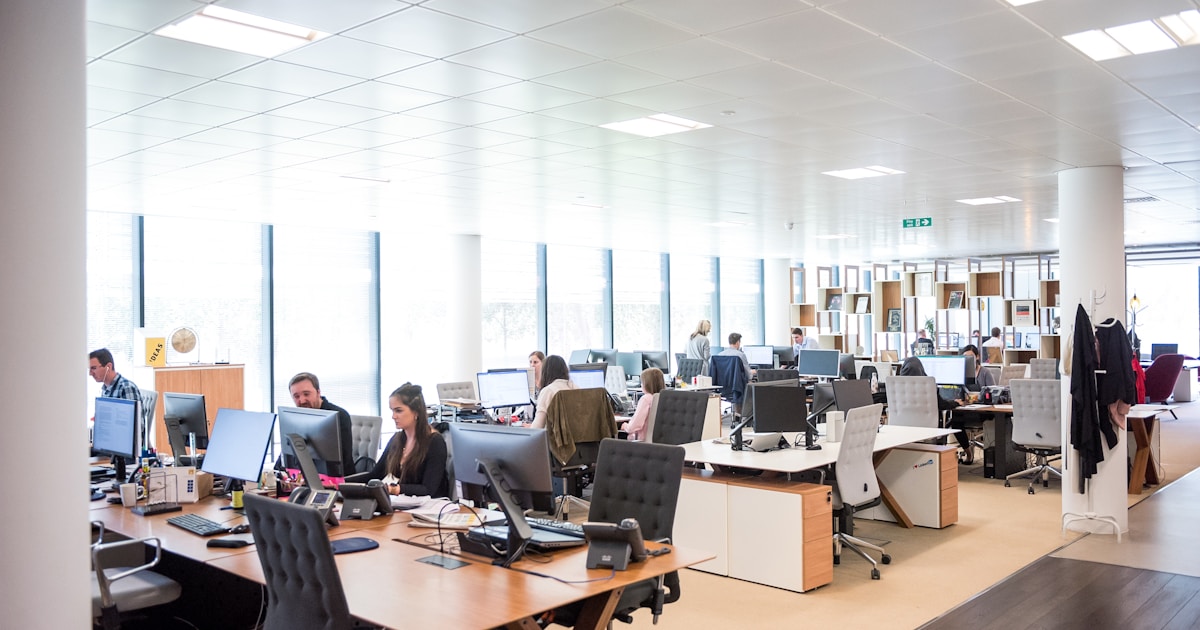
Picture this: it's 1:30 AM in a classroom in rural Kakamega. A presiding officer who arrived at 4:00 AM the previous morning is hunched over a desk, filling out Form 34A by the light of a solar lamp. He's counted 587 ballots by hand. His eyes are blurred. The agents standing behind him are exhausted and irritable. The crowd outside is growing restless. He needs to add up six columns of numbers — correctly — and transmit the result using a KIEMS kit with 12% battery remaining.
Welcome to night counting — one of the most common but least discussed features of Kenyan elections.
The Timeline of a Kenyan Election Day
Understanding night counting requires understanding the grueling timeline that polling station officials follow:
- 3:00-4:00 AM: Presiding officers arrive at the station, unpack materials, set up the KIEMS kit, arrange the polling area
- 6:00 AM: Official opening of polls. Voters begin queueing (many have been there since 4:00 AM)
- 6:00 AM - 5:00 PM: Voting. The presiding officer manages the queue, processes voters through biometric identification, issues ballot papers, and manages six ballot boxes
- 5:00 PM: Official close of polls (though voters already in the queue continue)
- 5:30 PM - 6:30 PM: Reconciliation. Count unused ballots, check seals, prepare for counting
- 6:30 PM onwards: Counting begins. Each of the six ballot boxes is opened sequentially (presidential first), ballots sorted, tallied, and recorded
In a station with 500+ voters, counting all six ballot boxes takes 4-7 hours. That means most stations don't finish until 10:30 PM to 1:30 AM. Stations that opened late or had queues past 5:00 PM might not finish until 3:00-4:00 AM — a full 24 hours after the presiding officer arrived.
The Night Counting Data
The IEBC's results transmission timestamps — recorded when Form 34A images are uploaded via KIEMS kits — provide a proxy for when counting was completed. The 2022 data shows:
- 38% of Form 34As were transmitted between 5:00 PM and 10:00 PM (counting completed relatively early)
- 41% of Form 34As were transmitted between 10:00 PM and 2:00 AM (deep night counting)
- 14% of Form 34As were transmitted between 2:00 AM and 6:00 AM (extreme fatigue zone)
- 7% of Form 34As were transmitted after 6:00 AM the following morning (stations that ran into serious delays)
This means that over 60% of all polling stations completed their counting and form-filling after dark — and over 25,000 presiding officers transmitted results while working under conditions of severe sleep deprivation.
The Error Rate Spike
Analysis of Form 34A quality by transmission time reveals a clear pattern: forms completed later at night had measurably more errors.
- Forms transmitted before 10 PM: arithmetic error rate of approximately 1.2%
- Forms transmitted 10 PM - 2 AM: arithmetic error rate of approximately 2.8%
- Forms transmitted after 2 AM: arithmetic error rate of approximately 4.6%
"Arithmetic errors" include cases where the sum of individual candidate votes does not equal the stated total, where the number of issued ballots doesn't reconcile with votes cast plus rejected plus unused, and where figures are illegible or appear altered (often because the presiding officer crossed out a mistake and rewrote it).
These are overwhelmingly honest errors — the product of fatigue, poor lighting, and time pressure rather than deliberate manipulation. But in a contested election, every error on every form becomes ammunition for legal challenges.
The Lighting Problem
Many of Kenya's 46,229 polling stations are in schools, churches, or community halls that lack reliable electricity. In rural areas, counting after dark means working by:
- Solar lamps (provided by IEBC, but with limited battery life)
- Kerosene lanterns (still common in remote areas)
- Mobile phone flashlights (held by agents or officials)
- Vehicle headlights (sometimes aimed through windows or doors)
The quality of lighting directly affects the counting process. Distinguishing between candidates on ballot papers requires adequate light — especially when papers are crumpled, folded, or marked ambiguously. Under poor lighting, a mark that's clearly in one candidate's box in daylight becomes debatable at night.
The photography quality of Form 34As is also affected. KIEMS kit cameras produce sharper images in good light. Forms photographed under dim conditions are more likely to be blurry or illegible when displayed on the IEBC portal — contributing to verification disputes.
The Pressure Cooker
Beyond fatigue and lighting, night counting introduces psychological pressure. As hours pass:
- Agents become aggressive. Party agents who have been waiting since morning grow impatient and demanding. Shouting matches and physical confrontations between agents and officials were reported at hundreds of stations in 2022
- Crowds gather outside. In many areas, supporters congregate around polling stations to hear results. The noise and perceived threat of an angry crowd add pressure on presiding officers to finish quickly
- Security thins out. Police officers assigned to polling stations often leave their posts after midnight, leaving presiding officers with less protection
- Communication channels break down. IEBC coordination centers are less responsive in the early morning hours. Presiding officers with questions or problems have fewer people to call
What Can Be Done?
The night counting problem has several potential solutions, none of them easy:
Reduce voter-per-station ratios. The most direct solution: fewer voters per station means counting finishes earlier. If the IEBC reduces the maximum from 700 to 500, most stations would finish by 10-11 PM. But this requires thousands of additional stations, officials, and materials.
Two-shift staffing. Have one team handle voting and another handle counting. This would require doubling the number of trained officials but would ensure that counters are fresh. The cost would be enormous — Kenya already deploys over 300,000 election officials.
Better lighting. Equipping every station with a bright, long-lasting LED lamp (cost: ~Ksh 3,000 per station) would cost about Ksh 140 million total — a fraction of the election budget. Yet this basic provision remains inconsistent.
Digital counting aids. A simple calculator or count-verification app on the KIEMS kit could catch arithmetic errors in real time. The technology exists; the political will to implement it is the question.
The Human Cost
Night counting is hard on the people who do it. In 2022, at least two election officials died during the election period — from the combined stress of the grueling timeline and pre-existing health conditions. Dozens more were hospitalized for exhaustion. These are temporary workers, many of them teachers, who earn about Ksh 5,000 for the entire election day operation — roughly Ksh 200 per hour for a 24-hour shift.
The next time someone questions the integrity of a handwritten form completed at 2 AM, it's worth remembering the human being who filled it out — and the conditions under which they were working.
Reduce the impact of night counting errors on your tallies. Votrack's real-time agent verification catches discrepancies when they happen, not days later in a courtroom. Request a demo to see how it works.
Share this article
Need Real-Time Election Tracking?
Votrack provides secure, parallel vote tallying for every electoral position in Kenya.
Learn More About Votrack